Introduction to Porsche
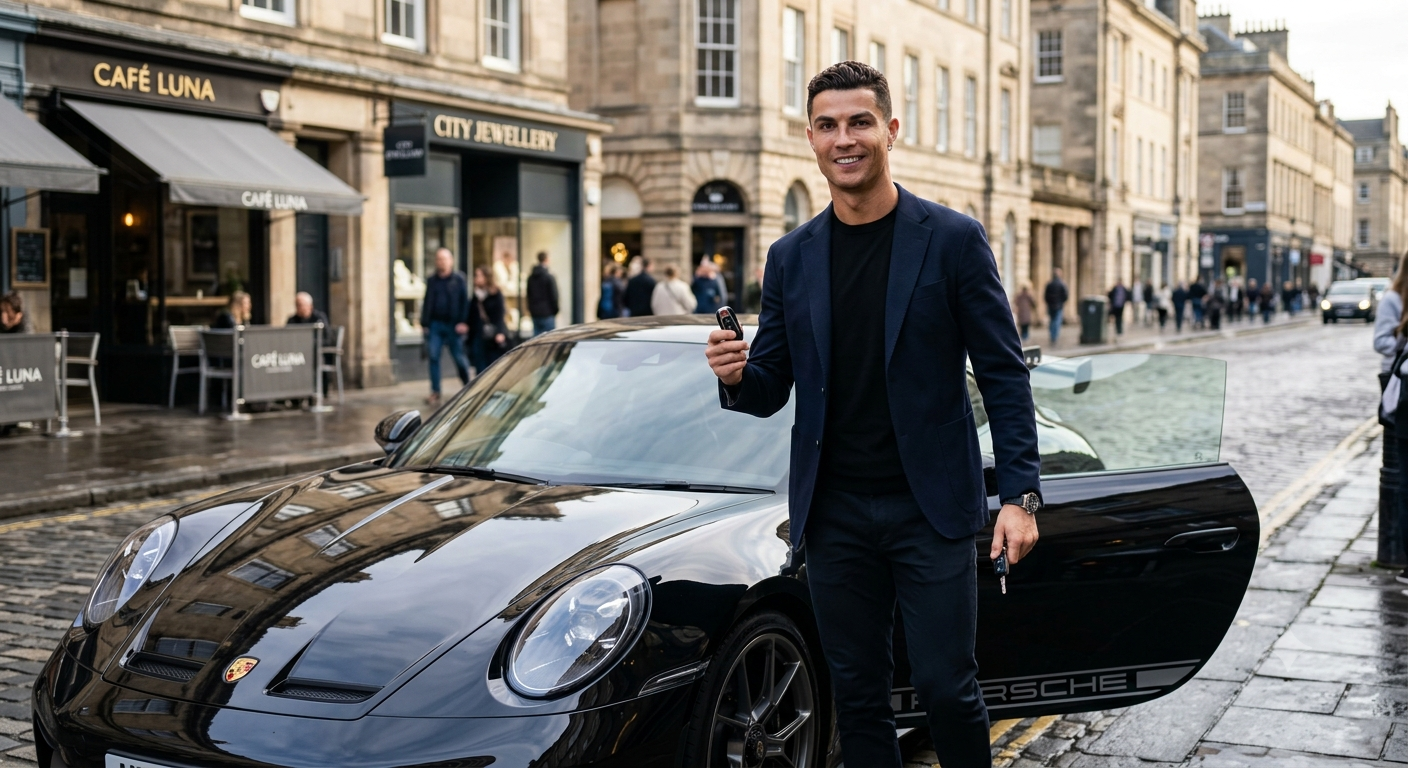
Porsche is one of the most recognized names in the global automotive industry, known for combining luxury, performance, advanced engineering, and distinctive design. The German manufacturer has built a strong reputation by producing sports cars that offer exciting driving characteristics while maintaining a high level of comfort and everyday usability. From the iconic 911 to modern SUVs and electric vehicles, Porsche has expanded its range while keeping performance at the center of its identity.
The brand is particularly respected because its vehicles are designed with careful attention to handling, balance, aerodynamics, and engineering quality. Porsche cars are often associated with premium materials, powerful engines, sophisticated technology, and a distinctive road presence. Over decades, the company has developed a loyal following among car enthusiasts, collectors, professional drivers, and luxury-car buyers.
The History of Porsche
Porsche’s history is closely connected with Ferdinand Porsche, an engineer whose work influenced the development of several important automobiles during the early twentieth century. The company commonly known as Porsche was established in Stuttgart, Germany, in 1931 as an engineering and design consultancy. Its early work included vehicle development and technical projects for other companies.
After World War II, Porsche increasingly focused on producing cars under its own name. The Porsche 356 became an important early production model and helped establish the company’s reputation for lightweight construction and enjoyable driving characteristics. Its success created the foundation for future Porsche sports cars.
The introduction of the Porsche 911 in the 1960s marked a major turning point. With its distinctive shape and rear-mounted flat-six engine, the 911 developed into the company’s signature model. Although Porsche has continuously updated the car, its basic design philosophy has remained recognizable for generations.
Porsche Design and Engineering
One of Porsche’s strongest characteristics is its approach to automotive engineering. Porsche vehicles are developed around the idea that performance should not simply mean having a powerful engine. Weight distribution, suspension, braking, steering, aerodynamics, and chassis balance all play important roles in the overall driving experience.
The design language of Porsche is also highly recognizable. Smooth body lines, carefully shaped headlights, wide rear shoulders, and a sloping roofline are common visual characteristics across many models. The company has managed to modernize its vehicles without completely abandoning the design elements that made earlier Porsche cars famous.
Inside the cabin, Porsche combines premium materials with driver-focused technology. Depending on the model and configuration, customers can choose from leather, advanced infotainment systems, performance-oriented seats, digital displays, and numerous personalization options. This combination of luxury and functionality helps distinguish Porsche from ordinary performance vehicles.
Popular Porsche Models
Porsche offers a broad range of vehicles designed for different types of customers. The Porsche 911 remains the brand’s most famous sports car. It is available in multiple versions, ranging from models designed for everyday driving to highly focused performance variants. The 911 is admired for its distinctive design, engineering development, and long history.
The Porsche 718 Cayman and 718 Boxster are smaller sports cars that emphasize balance and agile handling. The Cayman provides a fixed-roof configuration, while the Boxster offers an open-top driving experience. Both have become popular choices for drivers looking for a more compact Porsche sports car.
Porsche also produces SUVs, including the Cayenne and Macan. These models have helped the company reach customers who want Porsche performance and luxury while requiring additional passenger and cargo space. Their success demonstrates how the brand has expanded beyond traditional two-door sports cars.
The Panamera provides another interpretation of Porsche performance. It combines sports-car characteristics with the practicality of a larger luxury vehicle. The model is aimed at customers who want performance but also need more interior space and long-distance comfort.
Porsche Performance and Driving Experience
Performance is central to Porsche’s identity. Even when a model is designed primarily for comfort or practicality, Porsche typically gives significant attention to steering response, braking performance, suspension tuning, and chassis control.
Many Porsche vehicles provide different driving modes that allow drivers to change the behavior of the vehicle. Depending on the model, these settings can influence throttle response, transmission behavior, suspension characteristics, steering, and other systems. This allows a single car to provide a relaxed driving experience during normal use while offering sharper responses when the driver wants more excitement.
Another important element is braking technology. High-performance Porsche models can be equipped with advanced braking systems designed to provide strong stopping power and consistent performance. Combined with sophisticated suspension and tire technology, these systems contribute to the confidence that drivers experience behind the wheel.
Porsche Technology and Innovation
Porsche has consistently invested in automotive technology. Modern vehicles from the company include advanced driver assistance features, digital infotainment systems, connectivity functions, performance monitoring, and sophisticated chassis technologies.
The company has also developed advanced hybrid and electric powertrains. Porsche’s move toward electrification demonstrates how the brand is attempting to adapt to changing automotive regulations and consumer expectations while preserving its performance-oriented character.
Technology is not limited to the powertrain. Modern Porsche vehicles can use electronically controlled suspension systems, advanced traction management, aerodynamic components, and sophisticated transmission technology. These systems work together to improve performance, stability, efficiency, and everyday usability.
Porsche in Motorsport
Motorsport has played a major role in Porsche’s development and reputation. The company has competed successfully in endurance racing, sports-car championships, and other major racing categories. Competition has provided Porsche with an environment where engineers can test new ideas under demanding conditions.
The 24 Hours of Le Mans is particularly important to Porsche’s motorsport history. Porsche has achieved numerous successes at the event, helping establish its reputation for endurance, engineering reliability, and high-performance technology.
Racing experience has also influenced Porsche’s road cars. Aerodynamics, braking systems, engine development, lightweight construction, and chassis technology have benefited from decades of competition. This connection between racing and production vehicles remains an important part of Porsche’s identity.
Porsche’s Luxury and Brand Appeal
Porsche occupies an interesting position within the luxury-car market. It offers premium vehicles, but its identity is strongly connected with driving performance rather than luxury alone. Buyers often choose Porsche because they want a vehicle that can provide both prestige and an engaging driving experience.
Another important factor is personalization. Porsche offers numerous combinations of colors, wheels, interior materials, equipment, and performance options. Higher-end customers can create vehicles with highly individual specifications. This personalization contributes to Porsche’s premium positioning.
The brand’s heritage also adds to its appeal. A Porsche purchased today is connected to decades of sports-car development, motorsport achievements, and recognizable design. For collectors and enthusiasts, this history can be just as important as the specifications of the vehicle itself.
Porsche Electric Cars
Electrification has become an important part of Porsche’s future strategy. The Taycan represents the company’s major entry into the high-performance electric-car market. It combines electric propulsion with Porsche’s emphasis on acceleration, handling, technology, and premium design.
Electric Porsche models demonstrate that performance does not necessarily depend on a traditional combustion engine. Electric motors can deliver immediate torque, allowing strong acceleration. At the same time, battery placement can influence vehicle weight distribution and center of gravity.
Porsche’s move toward electrification is likely to continue as automotive technology develops. The challenge for the company is to balance environmental requirements and electric efficiency with the driving character that customers expect from a Porsche.
Is Porsche Worth the Price?
Whether a Porsche is worth its price depends heavily on the buyer’s priorities. Porsche vehicles generally cost significantly more than mainstream cars because of their engineering, materials, technology, performance, and brand positioning. Maintenance, insurance, optional equipment, and depreciation can also influence the total cost of ownership.
For enthusiasts, however, the value of a Porsche may extend beyond transportation. A well-equipped Porsche can provide a combination of performance, luxury, heritage, and everyday usability that is difficult to find in ordinary vehicles. Buyers should carefully compare models and consider their intended use before making a purchase.
Frequently Asked Questions
What is Porsche best known for?
Porsche is best known for producing high-performance luxury sports cars, particularly the Porsche 911. The company is also recognized for its SUVs, luxury cars, motorsport achievements, and electric vehicles.
Is Porsche a German car brand?
Yes. Porsche is a German automotive manufacturer headquartered in Stuttgart, Germany.
What is the most famous Porsche model?
The Porsche 911 is generally considered the company’s most famous and recognizable model. It has been produced and developed across multiple generations.
Does Porsche make electric cars?
Yes. Porsche produces electric vehicles, including the Taycan, and continues to develop electrified automotive technology.
Are Porsche cars expensive to maintain?
Porsche maintenance can be more expensive than maintenance for mainstream vehicles because of specialized components, premium parts, advanced technology, and the performance-oriented nature of the cars.
Conclusion
Porsche has developed from a German engineering company into one of the world’s most influential luxury performance-car manufacturers. Its success is based on a combination of recognizable design, advanced engineering, motorsport experience, strong performance, and premium construction. The Porsche 911 remains the central symbol of the brand, while models such as the Cayenne, Macan, Panamera, and Taycan have allowed the company to reach a wider audience.
As the automotive industry moves toward electrification and increasingly advanced technology, Porsche faces the challenge of evolving without losing the qualities that made it successful. Its continued focus on performance, engineering, design, and innovation suggests that the Porsche name will remain an important part of the global automotive industry for years to come.