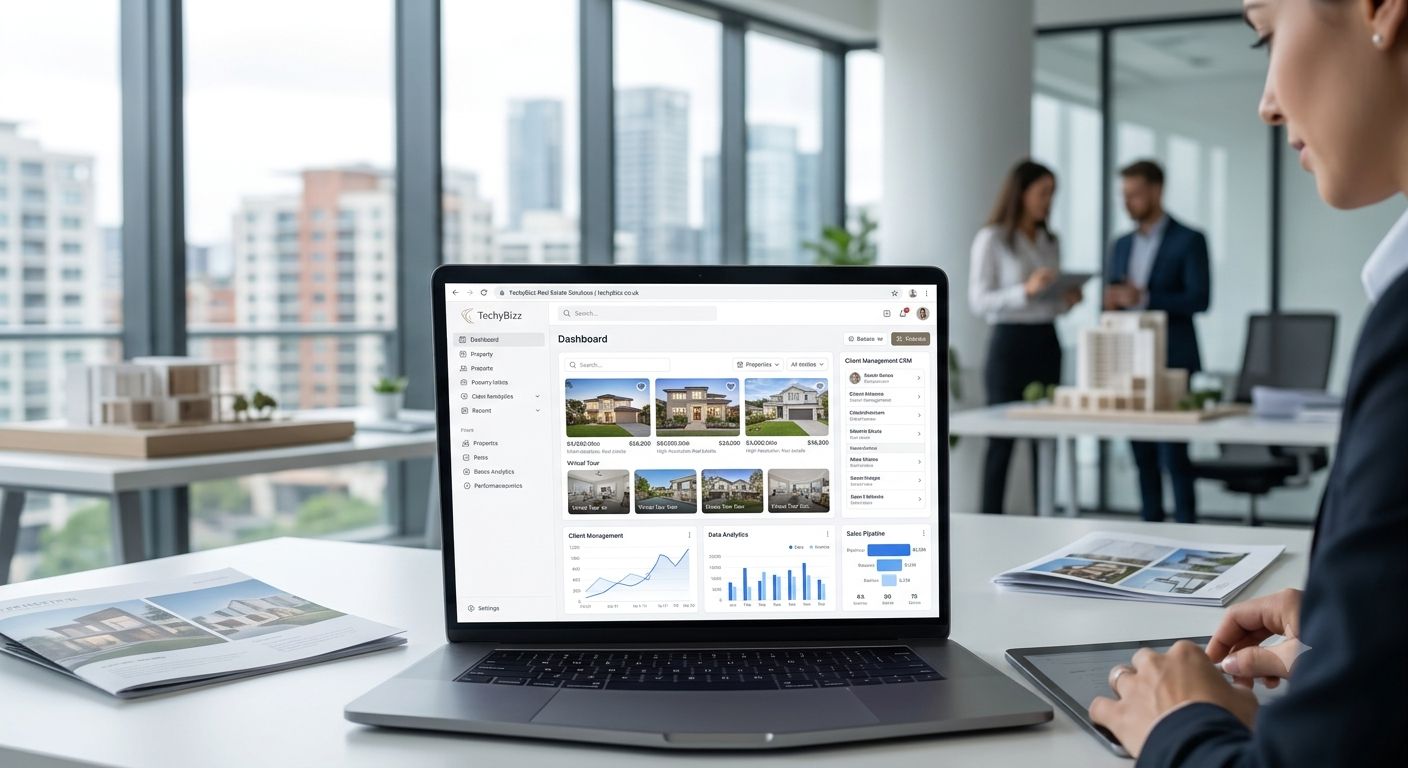
Real estate software has become an essential tool for property owners, real estate agents, brokers, investors, and property management companies. As the property industry becomes more competitive, businesses need efficient ways to manage listings, communicate with clients, track transactions, and organize property information. Real estate software helps simplify these activities by bringing important business operations into one digital platform.
Whether someone manages rental apartments, sells residential properties, invests in commercial buildings, or operates a real estate agency, the right software can improve productivity and reduce administrative work. Many platforms also offer automation, customer relationship management, financial reporting, and marketing tools. Understanding how real estate software works, which features matter most, and how to choose the right solution can help businesses make better decisions and serve their customers more effectively.
What Is Real Estate Software?
Real estate software is a digital tool designed to help individuals and businesses manage property-related activities. Depending on the platform, it may support property listings, rental management, sales transactions, customer communication, accounting, maintenance requests, and investment analysis.
Some solutions focus on a single task, such as managing rental properties, while others provide an all-in-one system for real estate agencies and property management companies. These platforms may operate through a web browser, desktop application, or mobile app, allowing users to access information from different locations.
For example, a real estate agent can use customer relationship management software to record potential buyers, schedule property viewings, and follow up with interested clients. A landlord may use a property management system to collect rent, track expenses, and respond to maintenance requests. The specific capabilities depend on the software provider and subscription plan.
Why Real Estate Software Is Important
Managing real estate manually can become complicated as the number of properties, clients, and transactions increases. Spreadsheets, paper documents, and separate communication tools may lead to duplicated information, missed appointments, and difficulty tracking important deadlines.
Real estate software helps centralize information and create more organized workflows. Employees can access property records, customer details, documents, and financial information without searching through multiple systems. Automation can also reduce repetitive tasks, allowing professionals to focus on customer service and business development.
Another important benefit is improved visibility. Managers can review occupancy rates, outstanding payments, sales activity, and operating expenses when the platform supports these reports. This information helps businesses identify problems earlier and make decisions based on recorded data rather than assumptions.
However, software does not automatically guarantee higher profits or better sales. Its effectiveness depends on the quality of the data, the features selected, and how consistently the team uses the system.
Main Types of Real Estate Software
Real estate software includes several categories, each designed for different business requirements.
Property Management Software
Property management software helps landlords and property managers oversee residential or commercial properties. Common features include rent tracking, tenant records, lease management, maintenance requests, and expense reporting.
Some platforms allow tenants to submit repair requests, access lease documents, or make online payments. Property managers can use dashboards to monitor vacancies, upcoming lease renewals, and outstanding balances.
This software is particularly useful for businesses managing multiple rental units because it reduces the need to maintain separate records for every property.
Real Estate CRM Software
Customer relationship management (CRM) software helps real estate professionals manage leads, clients, and communication history. It stores contact details, records conversations, tracks potential transactions, and schedules follow-up activities.
Agents can organize leads according to their interests, budgets, locations, or stage in the buying process. Automated reminders help ensure that prospective customers receive timely responses.
A well-organized CRM system can improve customer relationships and prevent potential opportunities from being overlooked.
Real Estate Listing Software
Listing software allows agents and agencies to create, update, and organize property listings. Depending on the platform, users may upload photographs, add descriptions, enter prices, and share property information across websites or internal databases.
Some tools support integration with multiple listing services (MLS) where available and permitted. These integrations can reduce duplicate data entry and help agents maintain consistent property information.
Accurate listings are important because incorrect prices, outdated availability, or misleading descriptions can damage customer trust.
Real Estate Transaction Management Software
Transaction management platforms help professionals organize the administrative side of property purchases and sales. They may provide document storage, electronic signatures, task assignments, deadline reminders, and transaction status tracking.
These tools help agents, buyers, sellers, and other authorized participants coordinate the paperwork required to complete a deal. However, the software does not replace legal advice or ensure that every document meets local legal requirements.
Real Estate Investment Analysis Software
Investment analysis software supports investors evaluating residential, commercial, or rental properties. Depending on its capabilities, it may calculate projected cash flow, rental yield, operating expenses, return on investment, and mortgage scenarios.
Investors can compare properties using consistent assumptions and examine how changes in rent, vacancy, interest rates, or maintenance costs affect potential returns.
The calculations are only as reliable as the information entered. Forecasts should account for uncertainty and should not be treated as guarantees of future investment performance.
Essential Features to Look For
Choosing real estate software requires understanding which features support daily operations and long-term goals.
- Property database: Organizes property details, photographs, prices, availability, and ownership records.
- Lead management: Stores potential customer information and tracks follow-up activities.
- Financial reporting: Helps monitor rent, expenses, invoices, and other financial information.
- Document management: Keeps leases, agreements, inspection reports, and related files organized.
- Automation: Handles repetitive tasks such as reminders, notifications, and selected workflow updates.
- Mobile accessibility: Allows authorized users to manage work from smartphones or tablets.
- Reporting dashboard: Summarizes key business indicators and operational performance.
- Integration options: Connects with compatible accounting, email, marketing, payment, or listing services.
- Security controls: Supports permissions, secure authentication, backups, and appropriate data protection.
Not every business needs every feature. A small independent agent may prioritize lead management and listings, while a property management company may need rent collection, maintenance tracking, and detailed financial reporting.
Benefits of Using Real Estate Software
Improved Efficiency
One of the biggest advantages of real estate software is reduced administrative workload. Instead of entering the same information into several spreadsheets, employees can maintain a central database and automate selected processes.
This can make it easier to schedule appointments, track applications, prepare reports, and manage documents. The time saved can be redirected toward property viewings, customer communication, and business planning.
Better Customer Experience
Customers often expect quick responses and clear information when buying, selling, or renting property. Real estate software can help agents respond to inquiries, arrange viewings, send documents, and provide updates more consistently.
Tenant portals and online payment facilities may also make routine interactions easier. The actual customer experience still depends on the quality of service provided by the business.
More Organized Financial Management
Property businesses must monitor rental income, operating expenses, maintenance costs, commissions, and other financial transactions. Software with accounting and reporting features can bring these records together.
Better organization makes it easier to review cash flow, identify overdue payments, and prepare financial summaries. Businesses should confirm whether their selected system supports local tax rules, currencies, and accounting requirements.
Easier Business Growth
As a real estate company expands, managing additional properties and customers can increase operational complexity. A suitable software platform can provide standardized processes and centralized information.
This can make it easier to onboard employees, assign responsibilities, and maintain consistent records. Businesses should also check whether the software can scale affordably as their needs grow.
Popular Real Estate Software Solutions
Several established platforms serve different parts of the real estate industry. Their suitability depends on location, business size, pricing, and required features.
- Buildium: A property management platform designed to support rental operations, accounting, and resident-related workflows.
- AppFolio Property Manager: Offers property management capabilities for eligible residential and other property portfolios, depending on the product offering.
- Propertyware: Focuses primarily on single-family rental property management.
- Follow Up Boss: A real estate CRM designed to help agents and teams manage leads and follow-up communication.
- Yardi: Provides property management and real estate technology solutions for different property types and business sizes.
- Zillow Premier Agent tools: Offers lead-generation and agent-related tools associated with Zillow’s property marketplace, subject to availability and eligibility.
These products are not direct substitutes in every situation. Some focus on property operations, while others concentrate on sales leads or broader real estate management. Before choosing a platform, review its current features, pricing, regional availability, and contract terms on the provider’s official website.
How to Choose the Right Real Estate Software
Selecting the right platform begins with identifying the main business problem. A company struggling to manage sales inquiries may benefit more from CRM software than from a complex property accounting system.
First, list the tasks that need improvement. These might include tracking leads, collecting rent, maintaining leases, managing repairs, or analyzing investments. Next, compare platforms based on their ability to perform those tasks without unnecessary complexity.
Budget is another important consideration. Some providers charge a monthly subscription, while others use pricing based on units, users, features, or portfolio size. Businesses should examine setup fees, training costs, transaction charges, and additional service expenses.
Ease of use also matters. A system with advanced features may deliver limited value if employees find it difficult to operate. Request a demonstration or trial when available, and test the platform using realistic workflows.
Finally, evaluate security and support. Ask how the provider handles backups, data access, account permissions, and data export. Confirm whether customer support is available during the hours your business operates and whether the software meets applicable privacy requirements.
Challenges and Limitations of Real Estate Software
Although real estate software offers many benefits, implementation can create challenges. Employees may need training, and transferring information from older systems can require considerable time. Inaccurate data may also lead to incorrect reports or missed follow-ups.
Subscription costs can increase as the business grows or additional features are added. Integration problems may occur when different platforms use incompatible formats or do not share information reliably.
Security is another important concern because property businesses may store personal information, financial records, identification documents, and contracts. Companies should use strong passwords, multifactor authentication where available, appropriate access permissions, and regular software updates.
To reduce these risks, businesses should introduce software gradually, assign responsibility for data quality, train employees, and review system performance after implementation.
Future Trends in Real Estate Software
Real estate technology continues to evolve as businesses adopt automation, artificial intelligence, cloud services, and data analytics.
Artificial intelligence may assist with lead classification, customer communication drafts, document extraction, and property data analysis. However, AI-generated information should be checked for accuracy, particularly when it involves pricing, legal obligations, or financial decisions.
Cloud-based platforms allow authorized users to access information from different locations without maintaining every system on a local computer. Mobile applications can also help agents manage appointments and respond to customers while away from the office.
Data analytics is another developing area. Property professionals can use historical records and market indicators to assess performance and identify patterns. These tools are most useful when their data sources are reliable and their limitations are clearly understood.
Future developments may improve workflow automation, but businesses will still need human judgment, professional expertise, and responsible data management.
Frequently Asked Questions (FAQs)
What is real estate software used for?
Real estate software is used to manage property listings, customer relationships, rental operations, financial records, documents, transactions, and investment analysis. Its exact purpose depends on the type of platform.
Which real estate software is best for beginners?
The best option depends on the user’s needs. Independent agents may prefer a straightforward CRM, while landlords may benefit from property management software. Beginners should prioritize usability, essential features, and transparent pricing.
Is real estate software expensive?
Costs vary widely. Some tools offer limited free plans or trials, while professional platforms charge recurring fees based on features, users, or property units. Setup, training, and integration may create additional costs.
Can real estate software help property investors?
Yes. Investment-focused tools can help investors compare properties, estimate expenses, evaluate rental income, and model potential returns. These estimates depend on the accuracy of the data and assumptions used.
Is real estate software secure?
Security depends on the provider’s safeguards and the user’s practices. Look for appropriate access controls, encryption, secure authentication, backups, and clear data-handling policies.
Conclusion
Real estate software helps property professionals organize operations, manage customers, monitor finances, and improve daily workflows. From property management and CRM systems to listing platforms and investment analysis tools, different solutions address different industry requirements.
The right choice depends on business size, budget, property type, location, and operational priorities. By comparing essential features, usability, integrations, security, and long-term costs, real estate businesses can select a platform that supports their goals without adding unnecessary complexity.
Ultimately, real estate software works best when it supports reliable processes and informed decision-making. It cannot replace professional expertise, but it can help agents, landlords, property managers, and investors manage information more efficiently and deliver a more consistent service.