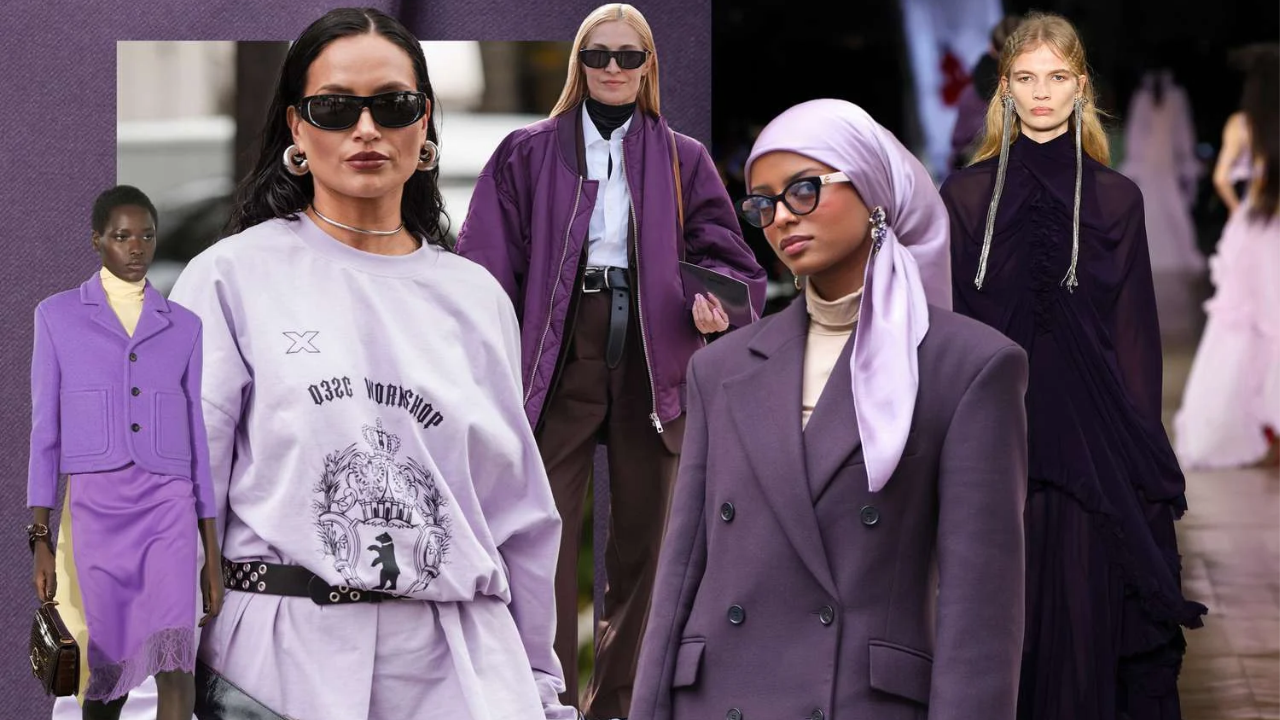
Purple color is one of the most distinctive and versatile colors in the visual world. It combines the calm qualities often associated with blue with the energy and warmth commonly linked to red. Because of this unique combination, purple can appear elegant, mysterious, creative, luxurious, soft, or dramatic depending on its shade and surrounding colors.
From fashion and interior design to branding, art, photography, and everyday decoration, purple has a strong visual presence. Different shades, including lavender, lilac, violet, plum, mauve, and deep purple, can create completely different moods. Understanding these variations can help people choose the right purple for clothing, rooms, graphics, websites, artwork, and other creative projects.
What Is Purple Color?
Purple is a color positioned between red and blue in traditional color systems. It can be created by combining red and blue, although the exact appearance depends on the proportions and the color model being used. A higher amount of red can produce a warmer purple, while more blue can result in a cooler violet-like appearance.
The purple color family contains a wide range of shades. Light purples tend to feel delicate and relaxing, while darker purples can look sophisticated and dramatic. Bright purple shades may appear energetic and modern, making them useful in contemporary designs and creative projects.
The Meaning of Purple Color
Purple has been associated with several different ideas throughout history and across cultures. It is often connected with creativity, imagination, elegance, mystery, spirituality, and luxury. These associations make purple particularly interesting because it can communicate different messages depending on how it is used.
Dark purple can create a sense of richness and sophistication, while pale purple may suggest softness and calmness. Bright purple can communicate creativity and individuality. Therefore, there is no single emotional meaning that applies to every purple shade.
Why Purple Has a Luxurious Association
One reason purple is often associated with luxury is its historical connection with expensive dyes. In ancient societies, certain purple dyes were difficult and costly to produce. As a result, purple fabrics were sometimes associated with wealth, status, and royalty.
Although modern manufacturing has made purple pigments and dyes widely available, the historical association remains influential. Designers still use rich purple shades when they want a product, space, or visual identity to appear premium and distinctive.
Popular Shades of Purple
The purple family includes many recognizable shades, and each one creates a different visual effect.
Lavender is a light purple with a soft and airy appearance. It is frequently used in bedrooms, fashion, stationery, beauty products, and spring-inspired designs.
Lilac is another gentle purple shade. It usually has a delicate appearance and works well with white, cream, gray, and other pastel colors.
Violet generally appears more blue-toned and can look vivid or sophisticated depending on its intensity.
Plum is a deeper purple with a warmer appearance. It is often used in fashion, interiors, packaging, and autumn-inspired designs.
Mauve is a muted purple that can contain gray or pink undertones. Its subtle appearance makes it suitable for elegant and understated designs.
Deep purple is bold and dramatic. It can be used to create a luxurious atmosphere or provide strong contrast against lighter colors.
Purple Color in Fashion
Purple has remained a popular choice in fashion because it offers more variety than many people expect. Pale shades such as lavender and lilac can create a soft and modern appearance, while plum and deep purple can provide a richer and more formal look.
Purple clothing can also be combined with neutral colors. White, black, beige, gray, and cream can help balance stronger purple shades. For a more colorful appearance, purple can be paired with shades of pink, blue, green, or yellow.
Accessories can also introduce purple without making it the dominant color. A purple handbag, scarf, shoes, jewelry, or other accessory can add a noticeable accent to a neutral outfit.
Purple Color in Interior Design
In interior design, purple can dramatically change the character of a room. Light purple shades can create a relaxed and gentle environment, particularly when combined with neutral walls and natural materials.
Darker purple works better when used thoughtfully because large amounts of an intense shade can make a room feel visually heavy. Instead, deep purple can be introduced through cushions, curtains, chairs, artwork, rugs, or decorative accessories.
Purple can also work well with gold and metallic details when a more luxurious atmosphere is desired. Alternatively, combining purple with white, light gray, or natural wood can produce a cleaner and more contemporary appearance.
Purple Color and Color Combinations
The colors placed next to purple can significantly change how it looks. White creates a clean contrast and allows purple to stand out. Black produces a dramatic and sophisticated combination, especially with darker purple shades.
Green can provide a natural contrast because it sits opposite purple in many traditional color relationships. Yellow can create an especially strong contrast, while pink can produce a softer and more playful combination.
For a minimalist appearance, purple can be combined with gray, beige, cream, or other neutral tones. Choosing the right combination depends on the desired mood and the intensity of the purple shade.
Purple Color in Branding and Marketing
Brands sometimes use purple because it is visually distinctive and can communicate creativity or premium positioning. Its unusual appearance can help a logo, website, package, or advertisement stand apart from designs dominated by more common colors.
However, color alone does not determine how a brand is perceived. Typography, imagery, layout, product quality, and the surrounding color palette all contribute to the final impression. A bright purple may communicate something very different from a muted or dark purple.
For digital designs, designers should also consider contrast and accessibility. Text placed over purple backgrounds needs sufficient contrast to remain readable, particularly for users with visual impairments.
Purple Color in Art and Photography
Artists use purple to create depth, atmosphere, contrast, and emotional interest. In landscapes, purple can appear in flowers, evening skies, mountains, shadows, and distant objects. In abstract art, it can become the main visual element.
Photographers can also use purple naturally or through lighting and editing. Neon signs, flowers, sunsets, clothing, architecture, and colored lights can all introduce purple into a composition.
Because purple can range from extremely soft to highly saturated, photographers have considerable flexibility when using it as a visual accent.
How to Choose the Right Purple Shade
Choosing the right purple depends on the purpose of the design. For a calm and gentle appearance, lavender or lilac may be appropriate. For a sophisticated design, plum or muted mauve can work well. When strong visual impact is required, vivid violet or deep purple may be more suitable.
It is also important to consider lighting and surrounding colors. A purple shade can appear different under warm and cool lighting. Testing the color in its actual environment can therefore be more useful than judging it from a digital color sample alone.
Is Purple a Warm or Cool Color?
Purple can appear either warm or cool depending on its undertones. A purple containing more red generally looks warmer, while a purple containing more blue tends to look cooler.
This flexibility is one reason purple works across many design styles. Warm purples can complement earthy colors and warm neutrals, while cooler purples can work with blues, grays, and crisp whites.
Why Purple Color Remains Popular
The continuing popularity of purple comes partly from its versatility. It can represent softness without being completely neutral, create luxury without relying on metallic colors, and provide strong visual impact without always appearing aggressive.
Modern digital design has also expanded the use of purple. Websites, mobile applications, social media graphics, illustrations, and technology brands frequently use purple-based palettes because they can look contemporary and memorable.
Final Thoughts on Purple Color
The purple color family offers an impressive range of visual possibilities. From gentle lavender and lilac to rich plum and deep purple, each shade can create a different atmosphere. Its historical connections with luxury, combined with modern associations with creativity and individuality, make purple useful in fashion, interiors, branding, art, photography, and digital design.
The most effective use of purple comes from choosing the right shade for the purpose and balancing it with suitable complementary or neutral colors. Whether used as a subtle accent or as the dominant color, purple can bring character, depth, and visual interest to almost any creative project.
Frequently Asked Questions
What does purple color represent?
Purple is commonly associated with creativity, imagination, luxury, elegance, mystery, and individuality. Its exact impression depends on the shade and context.
What are the most popular purple shades?
Common shades include lavender, lilac, violet, mauve, plum, and deep purple. Each shade has different levels of brightness, saturation, and warmth.
What colors go well with purple?
Purple can work with white, black, gray, beige, cream, pink, green, blue, and yellow. The best combination depends on the particular purple shade and desired visual effect.
Is purple suitable for interior design?
Yes. Light purple can create a soft atmosphere, while deeper shades can add drama and sophistication. Using purple as an accent can be an effective way to avoid overwhelming a room.
Why is purple associated with luxury?
Historically, some purple dyes were difficult and expensive to produce. This contributed to associations between purple and wealth, status, and royalty that continue to influence design today.