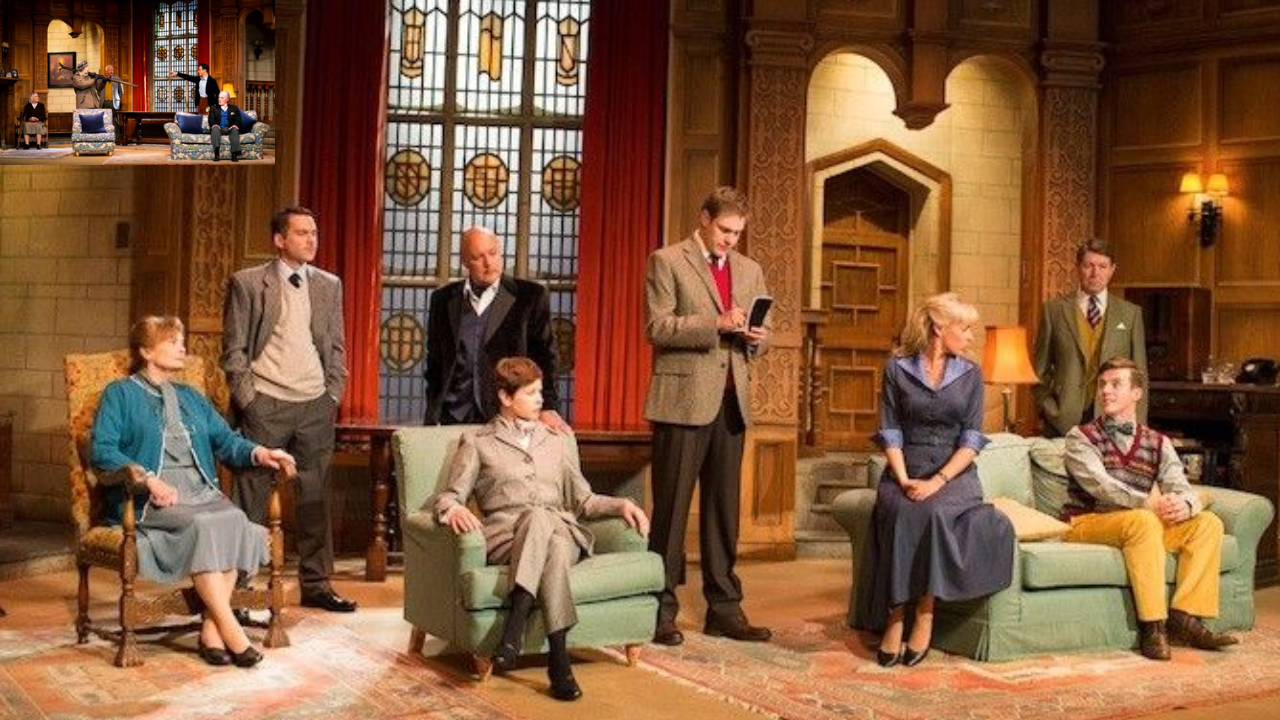
The Origins of Mousetrap the Play
Mousetrap the play began as one of Agatha Christie’s most successful theatrical ideas and went on to become a landmark in British theatre. The murder mystery premiered in London on 25 November 1952 at the Ambassadors Theatre, introducing audiences to a tense story set inside an isolated guesthouse where a group of strangers become trapped by snow and suspicion. The play was developed from Christie’s earlier radio drama Three Blind Mice, which she had originally written for radio in 1947. Its carefully constructed mystery, limited setting, memorable characters and emphasis on clues allowed the production to create suspense without relying on elaborate stage effects. From its earliest performances, the combination of a classic whodunit structure and Christie’s reputation as a master of mystery helped give the play a distinctive identity, laying the foundation for the extraordinary theatrical run that would eventually make Mousetrap the play the world’s longest-running show.
How Agatha Christie Created a Classic Mystery
Agatha Christie developed Mousetrap the play from an earlier radio drama titled Three Blind Mice, which was written in 1947 for Queen Mary. Christie later transformed the central idea into a stage mystery, expanding the characters, setting and clues into a full theatrical production. Her approach relied on a confined environment where every character could potentially be hiding something, creating a strong sense of suspicion as the story unfolds. Rather than depending on complicated scenery or action, Christie placed the emphasis on dialogue, character behavior and carefully planted clues, allowing the audience to participate in the investigation and form theories about who might be responsible for the crime.
The play also demonstrates why Christie became such an influential name in detective fiction. She constructed the story around uncertainty, gradually revealing information while encouraging audiences to question the motives and statements of the characters. The isolated guesthouse provides an ideal setting because the limited number of suspects makes every interaction significant, while the atmosphere of isolation increases the tension. This combination of mystery, suspicion and deduction gave the production a distinctive theatrical formula that could remain effective across generations. Christie’s ability to make audiences feel like detectives themselves became one of the central reasons the play developed such a lasting reputation.
The First West End Performance in 1952
Mousetrap the play officially opened at London’s Ambassadors Theatre on 25 November 1952, beginning a theatrical journey that would become extraordinary in scale and longevity. The original production featured Richard Attenborough as Detective Sergeant Trotter and Sheila Sim as Mollie Ralston, helping establish the play’s early West End reputation. Audiences were drawn into Christie’s tightly constructed murder mystery, in which a group of people become isolated at a country guesthouse and must confront the possibility that a killer is among them. What began as another new London stage production soon developed into a cultural phenomenon, with its clever plotting, intimate atmosphere and audience involvement helping it stand apart from many contemporary plays.
Why the Play’s Mystery Still Captivates Audiences
One of the biggest strengths of Mousetrap the play is its ability to make the audience feel involved in solving the crime. The story brings together a small group of characters with different personalities, backgrounds and possible motives, while a murder creates an atmosphere of uncertainty inside the isolated guesthouse. As the investigation develops, seemingly ordinary conversations and details can become important clues. This encourages viewers to pay close attention rather than simply watching events unfold. The suspense comes from not knowing whom to trust, and each new revelation can change the audience’s understanding of the characters and their relationships.
The play’s enduring appeal also comes from its traditional whodunit structure, which remains accessible even as theatrical tastes change. Audiences can make their own guesses about the identity of the murderer and compare their theories with the evidence presented throughout the performance. Christie carefully balances suspicion and misdirection, giving several characters reasons to appear potentially guilty without making the answer immediately obvious. This interactive quality has helped Mousetrap the play remain relevant for generations, because each audience experiences the mystery almost like a fresh investigation. The story does not require spectacular effects to create excitement; instead, it depends on atmosphere, dialogue, character psychology and the simple pleasure of trying to solve a well-crafted crime.
The Move to St Martin’s Theatre
After more than two decades at the Ambassadors Theatre, Mousetrap the play moved to St Martin’s Theatre in March 1974, where it established the long-term home associated with its remarkable West End history. The move did not mark a decline in the production’s popularity; instead, the play continued to attract audiences with its tightly constructed murder mystery and intimate theatrical setting. St Martin’s Theatre became closely connected with the identity of the production, helping turn the venue itself into an important part of the Mousetrap story. The continued performances also strengthened the play’s reputation as an extraordinary example of theatrical longevity, allowing new generations of theatregoers to experience Agatha Christie’s famous mystery on stage.
What Makes Mousetrap the Play So Successful?
The remarkable success of Mousetrap the play comes from its ability to combine a straightforward theatrical setting with a highly effective mystery. The action takes place largely within the guesthouse, allowing the story to concentrate on its characters, conversations and clues rather than expensive production effects. This simplicity makes the mystery accessible to a wide range of audiences while the carefully planted twists encourage people to remain engaged throughout the performance. Christie’s storytelling also gives several characters reasons to appear suspicious, creating uncertainty that keeps the investigation moving and makes the eventual solution more satisfying.
Another important factor is the play’s ability to create a shared experience between the performers and audience. Viewers are encouraged to examine the evidence, question the characters and develop their own theories about the murderer. Because the central mystery remains at the heart of the production, the play can continue to attract people who may already know Agatha Christie’s work as well as those encountering it for the first time. Its combination of suspense, character-driven storytelling and audience participation has allowed Mousetrap the play to remain distinctive in London theatre for decades, demonstrating that a compelling mystery can maintain its appeal without depending on changing theatrical trends.
The Global Legacy of Agatha Christie’s Mystery
The influence of Mousetrap the play has extended far beyond its London home, becoming part of Agatha Christie’s wider international theatrical legacy. The production has been performed in numerous countries and translated into many languages, allowing audiences around the world to experience its classic murder-mystery format. Its central idea is easy to understand across cultures: a small group of people are isolated together, a crime takes place, and everyone becomes a potential suspect. This universal structure has helped the play travel successfully while preserving the suspense and audience participation that defined Christie’s original work. Its international reach also demonstrates how effectively Mousetrap the play transformed from a British West End mystery into a recognizable piece of global theatre.
Why Mousetrap the Play Remains a Theatre Landmark
The extraordinary longevity of Mousetrap the play has made it much more than a successful murder mystery. Its continuous theatrical history has given it a unique place in British popular culture, while Agatha Christie’s name has continued to attract readers and theatre audiences to her work. Unlike productions that depend heavily on contemporary technology or changing visual trends, The Mousetrap is built around storytelling, suspense and character interaction. These qualities allow the production to remain understandable and engaging for modern audiences while preserving the traditional atmosphere of a classic detective mystery. Its enduring presence demonstrates how a carefully constructed story can remain relevant even as the wider theatre industry changes.
The production has also become famous because audiences are encouraged to protect the mystery after seeing the performance. The tradition of not publicly revealing the identity of the murderer has helped preserve the play’s central surprise and adds an unusual sense of participation to the experience. New viewers can enter the theatre without knowing the solution and attempt to identify the culprit from the clues presented during the performance. This combination of theatrical history, audience involvement and carefully protected suspense has helped Mousetrap the play achieve a status few stage productions can match. Its remarkable run is therefore not simply a record of longevity but a testament to the lasting appeal of Agatha Christie’s approach to mystery storytelling.
Conclusion
Mousetrap the play has earned its extraordinary reputation through a combination of Agatha Christie’s clever mystery writing, memorable characters, audience participation and remarkable theatrical longevity. From its opening at the Ambassadors Theatre in 1952 to its long association with St Martin’s Theatre, the production has remained a distinctive part of London’s theatre history. Its simple setting and carefully constructed whodunit demonstrate that compelling storytelling does not require elaborate effects to hold an audience’s attention. The play’s international reach and continuing popularity have further strengthened its legacy, making Mousetrap the play an enduring example of how a well-crafted mystery can cross generations and remain a celebrated theatrical experience.
Frequently Asked Questions
What is The Mousetrap about?
The Mousetrap is a murder-mystery play by Agatha Christie. The story follows guests and staff at an isolated guesthouse after a murder takes place, with everyone becoming a potential suspect.
When did The Mousetrap first open?
Mousetrap the play first opened in London on 25 November 1952 at the Ambassadors Theatre.
Where is The Mousetrap performed?
The production moved from the Ambassadors Theatre to St Martin’s Theatre in March 1974, which became its long-standing West End home.
Why is The Mousetrap famous?
It is famous for its extraordinary longevity and is recognized as the world’s longest-running show, as well as for its classic whodunit mystery and tradition of keeping the murderer’s identity secret.