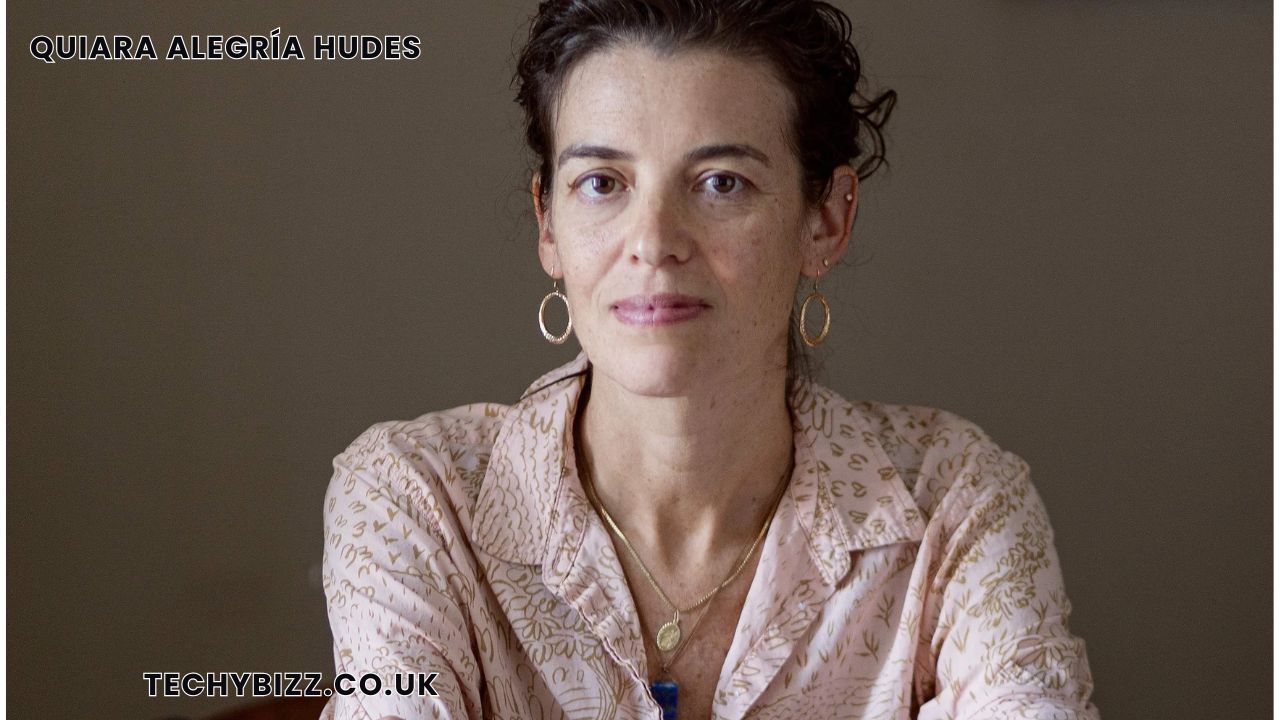
Quiara Alegría Hudes is an acclaimed American playwright, screenwriter, and author whose work has earned widespread recognition for its emotional depth, cultural authenticity, and powerful storytelling. Throughout her career, Quiara Alegría Hudes has become one of the most respected voices in contemporary American theater by creating stories that explore family, identity, heritage, resilience, and community. Her writing often highlights the experiences of Latino families while addressing universal themes that resonate with audiences from diverse backgrounds.
One of the defining moments of Quiara Alegría Hudes’ career came when she wrote the book for the award-winning Broadway musical In the Heights, a production that helped redefine modern musical theater and introduced new perspectives to Broadway audiences. She later continued her success with critically acclaimed plays, memoirs, and screenwriting projects, establishing herself as an influential figure in literature and performing arts.
The life of Quiara Alegría Hudes reflects creativity, perseverance, cultural pride, and artistic excellence. This article explores her early life, education, writing career, major works, awards, influence, personal values, and the remarkable legacy she continues to build through her contributions to theater and literature.
Early Life and Background of Quiara Alegría Hudes
Quiara Alegría Hudes was born on March 28, 1977, in Philadelphia, Pennsylvania, United States. She grew up in a vibrant Puerto Rican and Jewish family whose traditions, history, and values would later become central themes throughout her writing. Her multicultural upbringing exposed her to diverse experiences that deeply influenced her creative voice and storytelling style.
Growing up in Philadelphia allowed Quiara Alegría Hudes to experience both the richness of urban communities and the importance of family relationships. From an early age, she demonstrated an interest in music, literature, and the arts. These early passions gradually developed into a lifelong commitment to storytelling.
Her childhood experiences helped shape her understanding of identity, belonging, immigration, and community. Rather than viewing cultural differences as barriers, she embraced them as sources of inspiration that would later define many of her most celebrated works.
The strong influence of her family remains evident throughout much of her writing, where personal memories often blend with broader social themes.
Education and Creative Development
Education played an important role in the artistic development of Quiara Alegría Hudes. She attended Yale University, where she earned a Bachelor of Arts degree. After completing her undergraduate studies, she pursued graduate education at Brown University, earning a Master of Fine Arts in playwriting.
Studying at two highly respected universities provided Quiara Alegría Hudes with opportunities to refine her writing skills while learning from experienced playwrights, scholars, and fellow artists. Formal education also strengthened her understanding of dramatic structure, dialogue, character development, and theatrical storytelling.
Beyond academic training, she continued developing her craft through practical experience, workshops, collaborations, and continuous writing. Her willingness to learn and experiment contributed significantly to her success as both a playwright and screenwriter.
These educational experiences helped establish the strong creative foundation upon which her professional career would flourish.
The Beginning of Her Writing Career
Quiara Alegría Hudes began gaining recognition through original plays that explored themes of family, military service, identity, immigration, and community. From the beginning of her career, her work stood out because of its emotional authenticity and carefully developed characters.
Unlike many writers who focus solely on entertainment, Quiara Alegría Hudes consistently aimed to tell meaningful stories that reflected real-life experiences. Her writing often highlighted voices and communities that had historically received limited representation within mainstream theater.
As her reputation grew, audiences and critics recognized her ability to combine personal storytelling with broader social issues. This distinctive approach helped establish her as one of the leading contemporary playwrights in the United States.
Her early successes demonstrated that honest, culturally grounded storytelling could achieve both critical acclaim and widespread audience appreciation.
Success with In the Heights
One of the most significant achievements in the career of Quiara Alegría Hudes was writing the book for the Broadway musical In the Heights. Created in collaboration with composer and lyricist Lin-Manuel Miranda, the production celebrated the lives, dreams, and cultures of residents in New York City’s Washington Heights neighborhood.
The musical received widespread praise for its innovative storytelling, memorable music, and authentic representation of Latino communities. It won multiple prestigious awards and became an important milestone in modern Broadway history.
Quiara Alegría Hudes’ contribution to In the Heights demonstrated her exceptional ability to create emotionally engaging narratives while balancing humor, hope, and realism. The success of the musical introduced her work to international audiences and established her as one of the most respected writers in contemporary theater.
The production continues to inspire audiences through its themes of family, ambition, identity, and community.
Acclaimed Plays and Literary Works
Following the success of In the Heights, Quiara Alegría Hudes continued producing highly regarded theatrical works. Among her most celebrated plays is Water by the Spoonful, which won the Pulitzer Prize for Drama. The play explores themes including family relationships, addiction, healing, and the search for personal connection in the digital age.
She also wrote Elliot, A Soldier’s Fugue and The Happiest Song Plays Last, completing a trilogy centered on the experiences of military veterans and their families.
In addition to theater, Quiara Alegría Hudes has written memoirs and essays that reflect her personal experiences and cultural heritage. Her memoir My Broken Language received critical acclaim for its honest exploration of family, language, identity, and belonging.
Her diverse body of work demonstrates remarkable versatility while maintaining a consistent commitment to meaningful storytelling.
Writing Style and Themes
The writing of Quiara Alegría Hudes is widely admired for its emotional depth, authenticity, and vivid portrayal of everyday life. Rather than relying on dramatic spectacle, she focuses on realistic characters facing personal struggles, family relationships, and cultural challenges.
Her stories frequently examine themes such as identity, immigration, language, memory, resilience, community, and the lasting influence of family traditions. She also explores the emotional impact of military service, trauma, and personal healing with compassion and sensitivity.
Dialogue plays an especially important role in her work. Her characters speak naturally while reflecting the diverse linguistic and cultural backgrounds that shape their identities.
This distinctive writing style has helped establish Quiara Alegría Hudes as one of the most influential voices in modern American literature and theater.
Awards and Recognition
Throughout her career, Quiara Alegría Hudes has received numerous prestigious honors recognizing her exceptional contributions to theater and literature. Her most notable achievement is receiving the Pulitzer Prize for Drama for Water by the Spoonful, an award considered among the highest honors for American playwrights.
In addition to the Pulitzer Prize, her work on In the Heights contributed to the musical’s multiple Tony Awards and widespread critical acclaim. She has also received fellowships, grants, and recognition from respected literary and theatrical organizations.
These accomplishments reflect not only her creative talent but also the cultural significance of her storytelling.
Her continued success demonstrates the lasting impact of authentic voices within contemporary arts.
Influence on Modern Theater
Quiara Alegría Hudes has significantly influenced modern American theater by expanding representation and bringing diverse cultural experiences to mainstream audiences. Her work has inspired both established playwrights and emerging writers seeking to tell authentic stories rooted in their own communities.
By presenting complex, multidimensional Latino characters, she has challenged traditional stereotypes while broadening opportunities for inclusive storytelling.
Her collaborations with other artists have also demonstrated the value of creative partnerships built upon mutual respect and shared artistic vision.
The influence of Quiara Alegría Hudes extends beyond individual productions, helping shape conversations about diversity, identity, and representation within contemporary performing arts.
Personal Values and Legacy
Throughout her career, Quiara Alegría Hudes has remained committed to authenticity, compassion, creativity, and cultural pride. Her work consistently reflects respect for family history, community experiences, and the importance of preserving diverse voices through storytelling.
She has shown that successful writing can both entertain and encourage thoughtful reflection on important social issues. Her stories remind audiences that empathy and understanding often begin through shared human experiences.
The legacy of Quiara Alegría Hudes continues to grow as her plays, books, and screenwriting inspire readers, students, performers, and fellow writers around the world.
Her contributions have become an enduring part of contemporary American literature and theater.
Lessons We Can Learn from Quiara Alegría Hudes
The life and career of Quiara Alegría Hudes offer several valuable lessons. First, authentic storytelling has the power to create meaningful connections across cultures and communities.
Second, embracing one’s heritage can become a source of creativity rather than limitation. Her work demonstrates how personal experiences often inspire universal stories.
Third, perseverance and continuous learning contribute to lasting artistic success. Through education, dedication, and consistent writing, she built an extraordinary career based on excellence rather than shortcuts.
Finally, literature and theater possess the ability to promote empathy, understanding, and meaningful conversations about society, family, and identity.
These lessons continue to inspire aspiring writers and creative professionals worldwide.
Conclusion
Quiara Alegría Hudes stands among the most respected playwrights, screenwriters, and authors of her generation. From her early life in Philadelphia to her Pulitzer Prize-winning achievements and internationally celebrated theatrical works, she has consistently demonstrated exceptional creativity, cultural authenticity, and artistic integrity.
Her contributions to Broadway through In the Heights, her acclaimed plays, and her memoir have enriched contemporary literature and theater while expanding opportunities for diverse voices to be heard. Through every stage of her career, Quiara Alegría Hudes has remained committed to telling honest stories that celebrate family, resilience, identity, and community.
As readers continue discovering the remarkable work of Quiara Alegría Hudes, her legacy serves as a powerful reminder that authentic storytelling can inspire understanding, preserve cultural heritage, and leave a lasting impact on audiences for generations to come.
Also read: Goldschläger Guide, History, Ingredients, Flavor, Uses and Complete Overview