What Is No Caller ID?
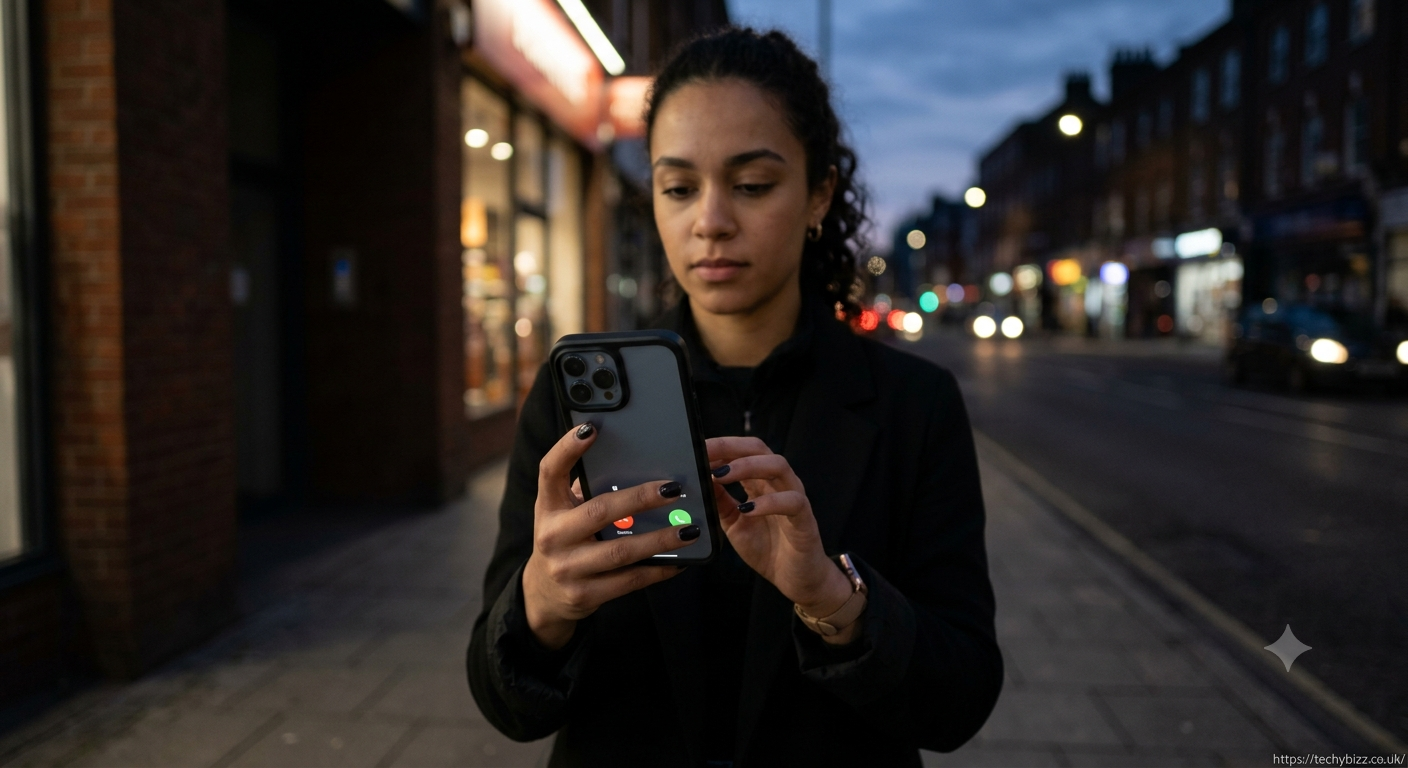
No Caller ID is a message displayed on a phone when an incoming caller’s telephone number is not shown. Instead of displaying a regular phone number or a saved contact name, the screen may show “No Caller ID.” This usually means the caller’s number has been withheld or is unavailable to the receiving phone. It does not automatically mean the call is dangerous, but it can make it difficult to identify who is calling.
People may receive No Caller ID calls for several reasons. Some callers intentionally hide their numbers for privacy, while certain businesses, healthcare providers, institutions, or telephone systems may use configurations that prevent their numbers from appearing. In other cases, network limitations or technical issues can affect caller identification. Understanding what No Caller ID means can help people decide whether to answer, ignore, or block these calls.
How Does No Caller ID Work?
Caller identification normally allows a phone network to deliver information about the incoming telephone number to the receiving device. The phone then displays that number or matches it with a saved contact. When caller identification is restricted or the information is unavailable, the receiving device may display a label such as No Caller ID, Private Number, or Unknown Caller.
These labels are similar, but their precise meanings can vary depending on the mobile carrier, device, and telephone network. No Caller ID commonly indicates that the number has been withheld, whereas Unknown Caller may indicate that the number could not be identified or delivered successfully. However, these distinctions are not universal across all phones and carriers.
Hiding a caller ID does not necessarily make a call anonymous to the telephone provider. Network operators may retain technical records according to applicable laws and their policies. Ordinary recipients, however, generally cannot reveal a deliberately withheld number through their phone’s standard call screen.
Why Do People Receive No Caller ID Calls?
There are several possible explanations for receiving calls without a visible number. One common reason is intentional privacy. A person may not want their telephone number displayed when contacting someone. Depending on the country, carrier, and phone settings, callers may be able to restrict caller identification for individual calls or for a wider range of outgoing calls.
Another reason is that the call originates from an organization using a telephone system that does not transmit its number in the usual way. Some healthcare services, public institutions, customer service departments, and office telephone systems may use restricted or nonstandard caller identification. This is not true of every organization, and a No Caller ID label alone cannot establish who is calling.
Unwanted calls are another possibility. Telemarketing operations, automated dialers, and scammers may use caller ID restriction or other methods to make identification more difficult. Nevertheless, the absence of a number is not proof of fraud. The safest approach is to consider the caller’s behavior, the content of the conversation, and whether the person requests sensitive information or money.
Is No Caller ID Dangerous?
A No Caller ID call is not automatically dangerous. Legitimate callers may have valid reasons to withhold their numbers, and some people receive these calls without experiencing any problems. However, a hidden number also prevents recipients from easily checking the caller’s identity, so caution is sensible.
A suspicious caller may claim to represent a bank, government department, delivery company, or technical support service. The caller might create urgency by saying that an account will be closed, a payment is overdue, or an immediate action is required. These pressure tactics are warning signs, especially when combined with requests for passwords, verification codes, banking details, or remote access to a device.
If someone claims to represent a trusted organization, end the call and contact that organization using a telephone number from its official website, a verified statement, or its official application. Do not rely on contact information supplied by an unverified caller. Never share one-time passwords, PINs, or account credentials simply because a caller sounds convincing.
How to Block No Caller ID Calls on an iPhone
iPhone users have built-in options that can reduce interruptions from unknown callers. Depending on the installed iOS version and available settings, the Phone settings may provide options to silence or screen calls from numbers that are not recognized. The exact names and behavior of these options can vary between software versions and regions.
To check the available options, open Settings and look for Apps, then Phone, on recent iOS versions. On some earlier versions, Phone appears directly in Settings. Look for the option relating to screening or silencing unknown callers and review its description before enabling it.
Silencing unknown callers can send certain calls from unsaved numbers to voicemail or show them in the recent-call list without ringing normally. It may also affect legitimate callers, including new contacts, service providers, and people whose numbers you have not saved. Review missed calls and voicemail messages regularly if you enable this feature.
If the calls are persistent, check whether your mobile carrier offers an anonymous-call rejection service or spam-filtering feature. Carrier support is often the best source for understanding whether restricted calls can be blocked on your specific connection.
How to Block No Caller ID Calls on Android
Android phones offer several ways to manage unwanted calls, although the available options depend on the manufacturer, Android version, and default Phone application. Many devices using Google’s Phone app include caller ID and spam protection settings, while some manufacturers provide separate blocking options.
Start by opening the Phone app and selecting its settings menu. Look for sections such as Blocked numbers, Caller ID and spam, or Call screening. If your device includes an option to block private or unidentified numbers, read its description and enable it if appropriate.
Be aware that blocking unknown or private numbers may work differently from blocking every number that is not saved in your contacts. Some settings target callers who deliberately hide their numbers, while others may silence or filter a wider group of incoming calls.
If your Android phone does not offer the feature, contact your mobile carrier to ask about anonymous-call blocking. Be cautious when installing third-party call-blocking applications, and review their permissions and privacy policies before granting access to contacts or call records.
Can You Find Out Who Called From No Caller ID?
In most situations, an ordinary phone user cannot directly reveal a deliberately hidden number from the incoming-call screen. A standard phone setting does not normally uncover the caller’s identity after the call has been received. Websites or applications promising to reveal every hidden number should therefore be treated with caution.
Some services advertise call tracing or anonymous-call identification, but their availability and effectiveness depend on the network, country, and service provider. They may not work for all calls, and they should not be assumed to identify every caller accurately. Contact your carrier to learn which legitimate options are available.
If a hidden caller makes threats, repeatedly harasses you, or appears to be involved in fraud, keep a record of the dates, times, and nature of the calls. Save relevant voicemails and messages, and ask your carrier about its reporting or tracing procedures. Where appropriate, report serious threats or suspected criminal activity to the relevant authorities.
Avoid attempting to identify a caller through unauthorized access, deceptive services, or applications that promise access to private telecommunications records. These methods may be unreliable, violate privacy, or expose you to scams.
No Caller ID vs. Unknown Caller vs. Private Number
These labels can look similar, but they do not always describe precisely the same situation.
No Caller ID generally indicates that the telephone number has been withheld or is not being displayed to the recipient. Private Number commonly communicates a similar restriction, although terminology varies by carrier and device. Unknown Caller may indicate that the telephone network or receiving device could not determine or display the caller’s number.
The label alone is not enough to determine whether the call is legitimate. For example, a legitimate organization may use a restricted telephone system, while a scammer may also hide a number. Similarly, a visible phone number does not guarantee that a caller is trustworthy because caller ID information can sometimes be spoofed.
The best response is to evaluate the call’s context. If you are expecting an important call, consider checking voicemail or contacting the relevant organization independently. If the call is unexpected and the caller requests money, confidential information, or immediate action, treat it cautiously.
How to Protect Yourself From Suspicious Calls
Protecting yourself from unwanted calls begins with avoiding unnecessary disclosure of personal information. Do not provide financial details, passwords, account recovery codes, or other confidential information to an unidentified caller. Legitimate organizations generally provide safer ways to verify requests through their official channels.
Use the call-filtering tools offered by your phone and carrier. If anonymous calls become frequent, ask your provider whether it supports blocking restricted numbers, spam detection, or reporting procedures. Keep your phone’s operating system and security software updated to benefit from available protections.
You should also be careful about returning missed calls through numbers supplied in suspicious voicemails or text messages. Verify the organization’s contact details independently before calling back. If you receive threatening or abusive calls, document the incidents and seek help from your carrier or the appropriate authorities.
Finally, remember that blocking all unknown calls may cause you to miss legitimate communication. People who frequently receive calls from doctors, employers, schools, delivery services, or government offices may prefer screening calls and reviewing voicemail rather than blocking every unidentified caller.
Frequently Asked Questions About No Caller ID
Does No Caller ID mean someone blocked me?
No. No Caller ID generally means the caller’s number is hidden or unavailable. It does not automatically mean that someone has blocked you. Call blocking and caller ID restriction are different features.
Should I answer a No Caller ID call?
You do not have to answer if you are uncomfortable with the call. If you are expecting an important call, you may choose to answer cautiously, avoid sharing personal information, and ask the caller to identify themselves. You can also let the call go to voicemail.
Can No Caller ID calls leave voicemail?
Yes. Whether a caller can leave a voicemail depends on your phone settings, carrier, and voicemail service. Checking voicemail can help you decide whether the call requires a response.
Can police trace a No Caller ID call?
Depending on the circumstances, applicable law, and telecommunications records, law enforcement may have procedures for investigating threatening or harassing calls. Ordinary users generally cannot access those records themselves. Contact your carrier and local authorities if you face serious threats.
Can I permanently stop No Caller ID calls?
You may be able to block or silence many anonymous calls through your phone settings or carrier services. However, the available protections vary, and no single setting is guaranteed to stop every unwanted call.
Conclusion
No Caller ID means that an incoming telephone number is hidden or unavailable on the receiving phone. The call may come from someone protecting their privacy, an organization using a restricted telephone system, or an unwanted caller. The label alone cannot confirm the caller’s identity or intentions.
To handle these calls safely, use your phone’s screening and blocking features, check voicemail, and verify important requests through official contact channels. Never share passwords, verification codes, or financial information with an unverified caller. If the calls become threatening or persistent, document them and contact your carrier or the appropriate authorities. With sensible precautions, you can manage No Caller ID calls while reducing the risk of scams and avoiding unnecessary interruptions.