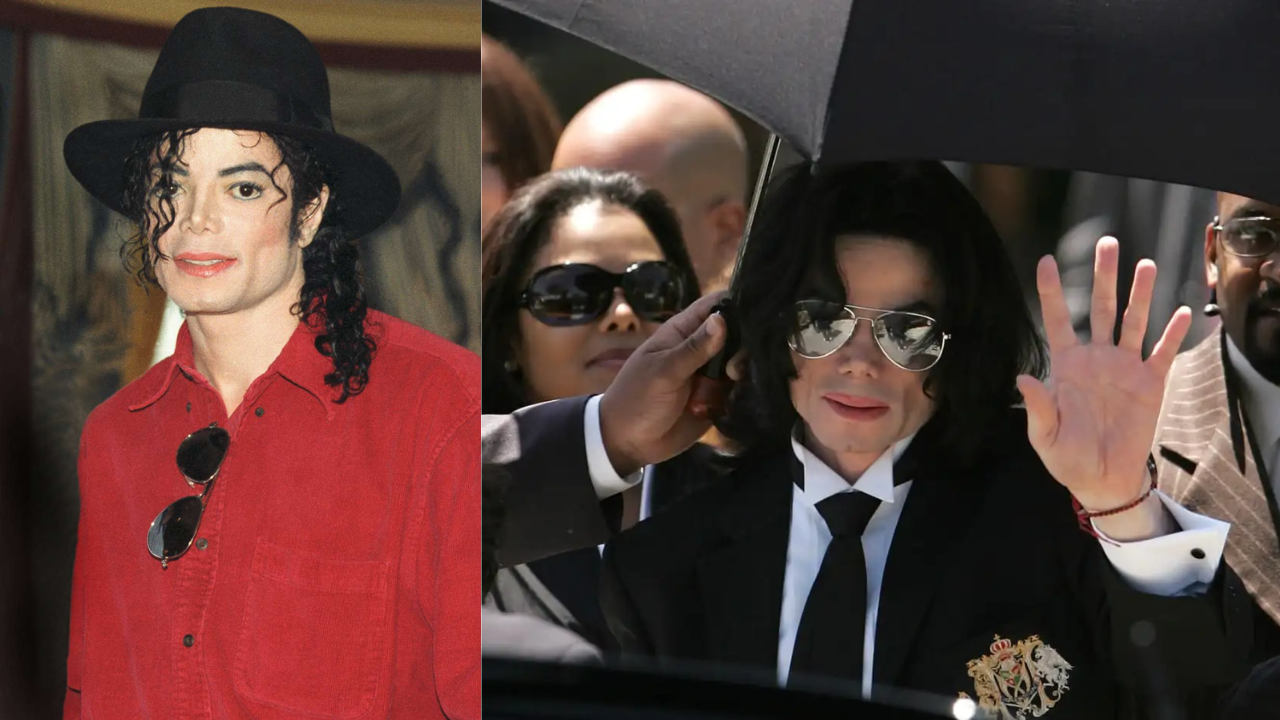
Michael Jackson’s Final Day
Michael Jackson spent his final day, June 25, 2009, preparing for his highly anticipated comeback concerts in London. The previous night, he had rehearsed for his planned This Is It shows, reportedly finishing around midnight after performing “Earth Song.” During the morning, Jackson remained at his rented home in Los Angeles, where his personal physician, Dr. Conrad Murray, was caring for him as he struggled with severe insomnia. Later that day, Jackson was found unresponsive and not breathing, and emergency responders were called to the residence.
When Did Michael Jackson Die?
Michael Jackson died on June 25, 2009, at the age of 50, in Los Angeles, California. Emergency personnel responded to his rented home in the Holmby Hills area after he was found unresponsive and not breathing. Paramedics attempted resuscitation before taking him to Ronald Reagan UCLA Medical Center, where he was pronounced dead at 2:26 p.m. Pacific Time. His unexpected death immediately became international news, as Jackson was preparing for his planned This Is It concert residency in London.
The exact circumstances surrounding his death were not established immediately. Authorities conducted an autopsy and later toxicology testing, which found that propofol intoxication was the primary cause of death, with other sedative medications also playing a role. The Los Angeles County coroner classified the death as a homicide, meaning the death resulted from the actions of another person rather than indicating that Jackson was intentionally murdered. The official findings later became central to the criminal case involving his physician, Dr. Conrad Murray.
What Happened Before His Death?
In the weeks before his death, Michael Jackson was preparing intensely for his planned This Is It concert residency in London. On June 24, 2009, he attended rehearsals at the Staples Center in Los Angeles, working on songs and production elements for the shows. He completed that rehearsal around midnight and returned to his Holmby Hills home, where he continued to struggle with severe insomnia.
The Official Cause of Death
The Los Angeles County coroner officially determined that Michael Jackson died from acute propofol intoxication, with the effects of the sedative lorazepam also contributing. Propofol is a powerful anesthetic normally used in controlled medical settings, while lorazepam is a benzodiazepine medication. Toxicology testing also identified other medications in Jackson’s system, but the coroner specifically identified propofol and lorazepam as the primary drugs responsible for his death.
The official finding helped explain why Jackson, who had been receiving treatment for severe insomnia, suddenly became unresponsive on June 25, 2009. The coroner classified the manner of death as homicide, using the medical-legal definition rather than suggesting that Jackson had been intentionally murdered. The finding focused attention on the circumstances surrounding the administration of the medications and ultimately became an important part of the investigation into his physician, Dr. Conrad Murray.
The Role of Propofol and Other Sedatives
Propofol played the central role in Michael Jackson’s death because the Los Angeles County coroner determined that acute propofol intoxication caused his death, while the effects of the benzodiazepine lorazepam also contributed. Propofol is a powerful anesthetic generally associated with controlled medical settings, and the coroner’s findings indicated that the combination of medications created a fatal situation.
Why His Death Was Ruled a Homicide
The Los Angeles County coroner ruled Michael Jackson’s death a homicide because the medical evidence showed that his fatal drug intoxication occurred in the context of treatment provided by another person. The official cause was acute propofol intoxication, with a benzodiazepine effect also contributing. Importantly, the term “homicide” in a coroner’s classification does not necessarily mean that someone deliberately murdered Jackson; it means that his death resulted from the actions of another person.
The ruling later became central to the criminal case against Jackson’s physician, Dr. Conrad Murray. Prosecutors argued that Murray’s medical decisions and inadequate monitoring contributed substantially to Jackson’s death, while Murray’s defense disputed aspects of the evidence. In November 2011, a Los Angeles County jury convicted Murray of involuntary manslaughter, finding that his criminal negligence was a substantial factor in Jackson’s death.
What Happened to Dr. Conrad Murray?
Dr. Conrad Murray was convicted of involuntary manslaughter in November 2011 after a six-week trial concerning Michael Jackson’s death. The jury concluded that Murray’s criminal negligence was a substantial factor in Jackson’s death. He was subsequently sentenced to four years in prison on November 29, 2011.
Conclusion
The question of when and how did Michael Jackson die is answered by the official medical and legal record: Jackson died on June 25, 2009, at age 50, after acute propofol intoxication, with other sedative effects contributing. The Los Angeles County coroner classified the manner of death as homicide, and Dr. Conrad Murray was later convicted of involuntary manslaughter for his role in Jackson’s death. Murray received a four-year sentence and was released in 2013 after serving about two years.
Jackson’s death remains one of the most significant events in modern entertainment history, but the core facts are established through the coroner’s findings and court proceedings. His final day followed extensive rehearsals for his planned London concerts, making his sudden death particularly shocking to fans around the world.
FAQs About Michael Jackson’s Death
When did Michael Jackson die? Michael Jackson died on June 25, 2009, at age 50. He was pronounced dead at 2:26 p.m. local time after being taken to Ronald Reagan UCLA Medical Center.
What was Michael Jackson’s official cause of death? The Los Angeles County coroner determined that the cause was acute propofol intoxication, with the effects of lorazepam and other sedatives also contributing.
Was Michael Jackson’s death ruled a homicide? Yes. The coroner classified the manner of death as homicide, a medical-legal classification indicating that another person’s actions contributed to the death; it does not by itself mean intentional murder.
Who was convicted in connection with Michael Jackson’s death? Jackson’s personal physician, Dr. Conrad Murray, was later convicted of involuntary manslaughter in connection with his death.