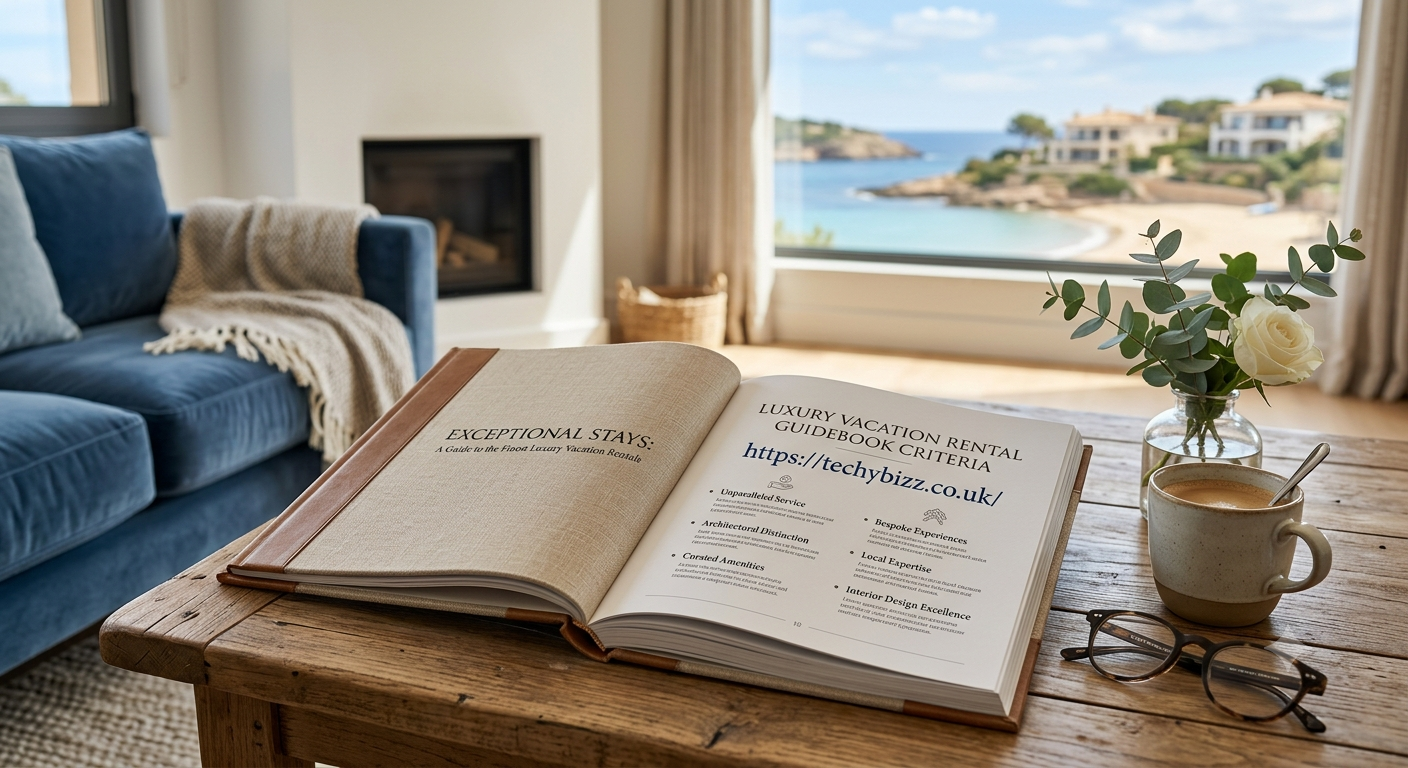
What Is a Luxury Vacation Rental Guidebook?
A luxury vacation rental guidebook is a carefully organized resource that helps guests enjoy a comfortable, convenient, and memorable stay in a premium rental property. It provides essential information about the accommodation, available amenities, property policies, local attractions, and services. Unlike a basic house manual, a luxury guidebook combines practical instructions with thoughtful hospitality and personalized recommendations.
Luxury travelers expect more than beautiful interiors and expensive furnishings. They want convenience, privacy, reliable communication, and easy access to everything they need. A well-designed guidebook helps meet these expectations by answering common questions before they arise. Whether the property is a beachfront villa, a mountain retreat, or a sophisticated city apartment, the guidebook should reflect its quality and make the guest experience feel effortless.
Why Luxury Vacation Rental Guidebook Criteria Matter
Following appropriate luxury vacation rental guidebook criteria helps property owners maintain consistent service standards and communicate important information professionally. Guests who understand how to access the property, operate its amenities, and contact the host are less likely to experience unnecessary confusion. Clear instructions can also reduce repetitive messages and allow property managers to focus on more personalized services.
A professional guidebook can strengthen a rental property’s reputation by demonstrating attention to detail. When guests feel informed and comfortable, they may be more inclined to leave positive reviews, recommend the property, or book another stay. Although a guidebook cannot guarantee better ratings or higher revenue, it supports a smoother hospitality experience and helps communicate the value of a premium rental.
Essential Elements of a Luxury Rental Guidebook
The first essential criterion is organization. Guests should be able to find important information quickly without reading lengthy explanations. A logical structure might begin with a welcome message, followed by arrival instructions, Wi-Fi details, amenities, house rules, local recommendations, emergency contacts, and departure procedures. Clear headings, concise paragraphs, and useful checklists make the document easier to navigate.
Presentation is equally important. The guidebook should complement the property’s design and branding through professional photography, readable typography, consistent colors, and sufficient white space. Avoid cluttered layouts, excessive decoration, and complicated language. A luxury guidebook should feel refined without sacrificing usability. It should also include verified information rather than unsupported promises about amenities, services, or experiences that may not be available during a guest’s stay.
Clear Check-In and Check-Out Instructions
Arrival information deserves particular attention because guests may be tired after traveling and unfamiliar with the neighborhood. The guidebook should provide the complete property address, directions, parking details, building access instructions, and the check-in time. If the property uses a smart lock or lockbox, explain the process step by step and include a reliable contact method in case something goes wrong.
Departure instructions should be just as straightforward. Clearly state the checkout time, key-return procedure, waste disposal requirements, and any reasonable tasks guests must complete before leaving. Explain whether guests need to wash dishes, adjust the thermostat, or secure outdoor areas. Avoid assigning excessive cleaning duties that conflict with the promised luxury experience. If late checkout is available, explain how guests can request it and whether additional charges may apply.
Premium Amenities and Property Information
High-end vacation rentals often feature advanced appliances, entertainment systems, swimming pools, hot tubs, fireplaces, and smart-home technology. However, premium amenities are only useful when guests understand how to operate them safely. The guidebook should explain the location and basic use of important features, including heating and cooling controls, kitchen appliances, televisions, sound systems, lighting, and outdoor equipment.
Provide concise instructions for each major amenity instead of overwhelming guests with technical manuals. Photographs, diagrams, or short instructional videos can make complicated systems easier to understand. For example, the pool section might explain operating hours, heating arrangements, towel locations, and safety requirements. The kitchen section could identify the coffee machine, dishwasher, oven, and other appliances. Any special restrictions or additional service charges should be communicated clearly before guests use the relevant facilities.
Personalized Local Recommendations
One of the most valuable features of a luxury guidebook is its collection of carefully selected local recommendations. Guests often want to experience the destination beyond the rental property, but generic lists provide limited assistance. Hosts can add meaningful value by recommending restaurants, cafés, shopping districts, cultural attractions, scenic routes, outdoor activities, and wellness services that suit the property’s location and likely guest interests.
Each recommendation should include useful details, such as the location, typical price range, booking requirements, transportation options, and official website where appropriate. Explain briefly why a particular place is worth visiting rather than simply listing its name. For families, recommendations might include suitable parks and family-friendly activities. Couples may appreciate romantic dining options, while adventure travelers might prefer hiking trails or water sports. Always verify opening hours and availability when possible, and make it clear when reservations are essential.
Safety, Privacy, and House Rules
Safety information is a non-negotiable part of luxury vacation rental guidebook criteria. Guests should know how to contact the host or property manager, where to find first-aid supplies and fire extinguishers, and what to do during an emergency. Include the appropriate local emergency numbers, the address of a nearby medical facility, and evacuation instructions relevant to the property. Explain the safe use of pools, hot tubs, fireplaces, balconies, and other features that may present specific risks.
House rules should be written in a respectful and direct tone. Explain policies regarding smoking, pets, parties, noise, maximum occupancy, visitors, and waste disposal. Privacy is also essential. Describe any exterior security cameras or recording devices accurately and follow applicable laws and platform policies. Never place recording devices in private spaces where guests reasonably expect privacy. Protect personal information and avoid exposing sensitive access codes in publicly accessible versions of the guidebook. Temporary entry codes and other security details should be shared through appropriate private channels.
Digital vs. Printed Guidebooks
Digital and printed guidebooks each offer distinct advantages. A digital guidebook can be accessed before arrival and updated whenever information changes. It can include clickable maps, reservation links, photographs, videos, and contact details. A mobile-friendly layout is particularly useful because guests frequently consult instructions while traveling or moving around the property.
A printed guidebook provides convenient access without requiring guests to open a phone or connect to the internet. It can be placed in a welcome folder or a clearly visible location inside the rental. However, printed information can become outdated and may need to be replaced regularly. For many luxury properties, a hybrid approach is practical: provide a digital guide before arrival and keep a concise printed reference inside the property. Both versions should contain consistent information, particularly for emergencies and essential property procedures.
Tips for Creating an Effective Guidebook
Start by reviewing the guest journey from booking to departure. Identify the questions visitors are most likely to ask and make sure the guidebook answers them. Ask someone unfamiliar with the property to follow the instructions. Their feedback may reveal confusing directions, missing details, or assumptions that experienced hosts overlook.
Keep the content current by reviewing it regularly and whenever property features, policies, prices, or local recommendations change. Confirm that links and contact details work, and check that the instructions match the actual condition of the rental. Consider using guest feedback and recurring support questions to identify improvements. If several visitors struggle with the same appliance or access procedure, rewrite that section or add a visual demonstration.
Finally, make the guidebook welcoming rather than overly restrictive. A thoughtful greeting, a brief introduction to the property’s character, and a few useful local tips can create a more personal impression. The goal is to help guests feel confident and cared for while preserving their independence and privacy.
Frequently Asked Questions
What should a luxury vacation rental guidebook include?
It should include a welcome message, check-in and checkout instructions, Wi-Fi information, amenity guides, house rules, local recommendations, emergency contacts, and relevant safety information. The exact content depends on the property and destination.
How can a guidebook improve the guest experience?
A well-organized guidebook helps guests find answers quickly, understand available amenities, and navigate the local area. Clear instructions can reduce confusion and unnecessary communication with the host.
Should luxury vacation rentals use digital or printed guidebooks?
Both formats can work well together. Digital versions are convenient to update and share before arrival, while printed copies provide quick access to essential information inside the property.
How often should a vacation rental guidebook be updated?
Review it regularly and whenever important details change. Check contact information, access procedures, amenities, safety guidance, local recommendations, and policies to ensure the information remains accurate.
What makes a guidebook feel luxurious?
A luxurious guidebook combines elegant design, concise instructions, personalized recommendations, accurate information, and thoughtful presentation. Its main purpose is to make the stay easier without overwhelming guests.
Conclusion
The best luxury vacation rental guidebook criteria focus on clarity, presentation, personalization, safety, and convenience. A high-quality guidebook does more than explain property rules; it helps guests settle in confidently, use amenities correctly, discover local experiences, and complete their stay without unnecessary stress.
For property owners and managers, creating an effective guidebook is a practical way to demonstrate professionalism and support consistent hospitality. By keeping information accurate, using a clean design, protecting guest privacy, and regularly incorporating feedback, hosts can create a useful resource that reflects the quality of their rental. Ultimately, a successful luxury guidebook makes essential information easy to find while allowing guests to enjoy the comfort, independence, and personalized experience they expect.