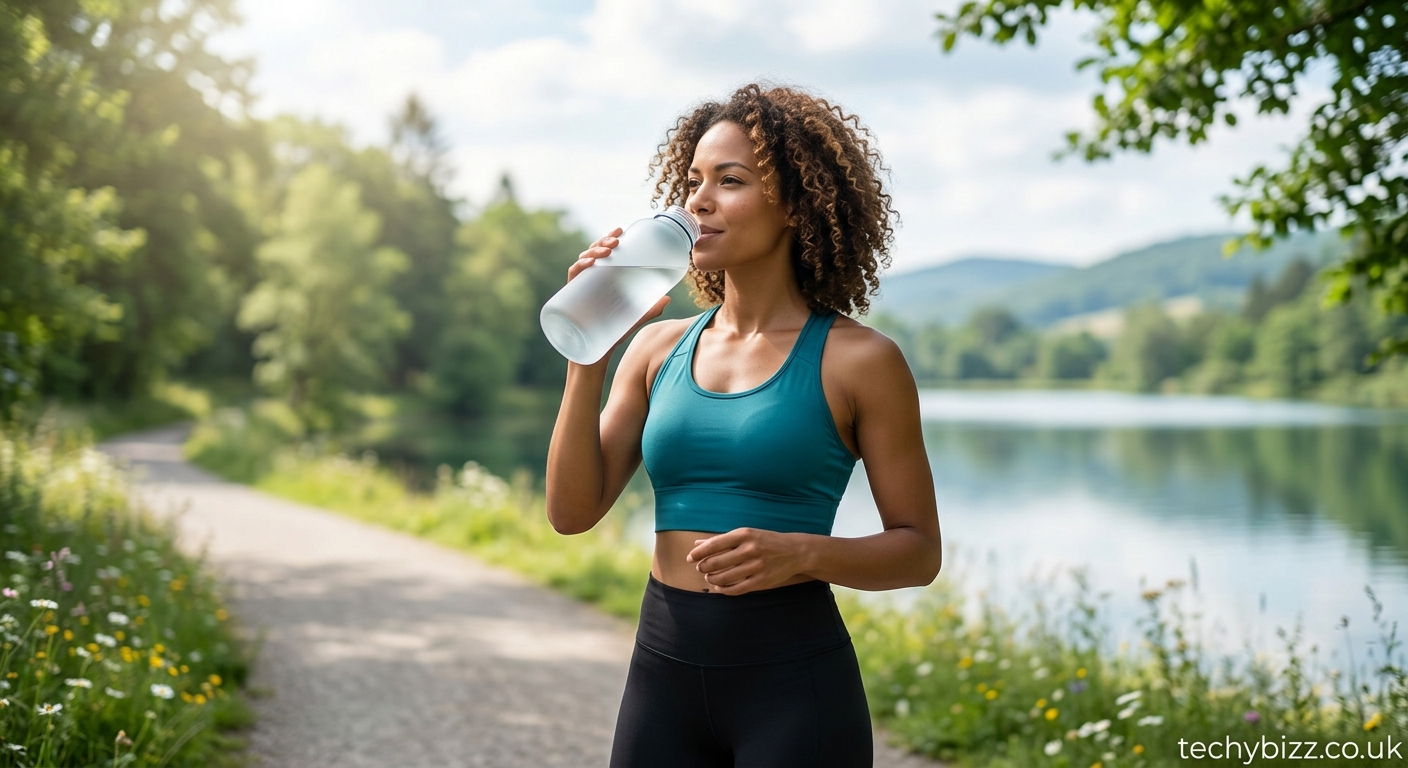
Water is essential for almost every function in the human body, including temperature regulation, digestion, circulation, waste removal, and normal cellular activity. For women, the amount of water needed each day can vary depending on age, activity level, climate, diet, pregnancy, breastfeeding, and overall health. So, how much water should a woman drink a day? A commonly used reference from the National Academies suggests that healthy adult women need about 2.7 liters (91 ounces) of total water per day, but this includes water from food as well as beverages. About 2.2 liters, or roughly 9 cups, comes from beverages under the reference conditions.
This does not mean every woman must drink exactly nine cups of plain water every day. Individual hydration needs can be higher or lower. Understanding where the recommendation comes from and what factors change water requirements can make it easier to maintain healthy hydration without following an unnecessarily strict number.
How Much Water Does a Woman Need Each Day?
For healthy adult women, the National Academies lists an Adequate Intake of 2.7 liters of total water per day for women ages 19 and older. Importantly, total water includes plain water, other beverages, and the water naturally found in foods. The reference estimate indicates that approximately 2.2 liters, or around 9 cups, may come from beverages, while the remainder can come from food.
The recommendation is an Adequate Intake rather than a requirement that every woman must meet exactly. The National Academies notes that healthy people can maintain normal hydration across a relatively wide range of water intakes. This means your personal requirement can differ from another woman’s requirement even if you are the same age.
Is 8 Glasses of Water a Day Enough?
The popular advice to drink eight glasses of water per day can be a useful simple reminder, but it is not a universal scientific requirement for every woman. Glasses also vary in size, and hydration comes from more than plain water.
For example, the National Academies reference of about 2.2 liters of fluids for adult women works out to approximately nine 8-ounce cups of beverages. However, foods such as fruits, vegetables, soups, yogurt, and other moisture-rich foods also contribute to total water intake. Therefore, a woman who eats many water-rich foods may need less fluid from beverages than someone whose diet contains fewer foods with high water content.
The better approach is to consider overall fluid intake, thirst, activity, environment, and individual circumstances rather than treating eight glasses as a strict daily target.
What Counts Toward Daily Water Intake?
When people think about hydration, they often count only plain drinking water. However, the body receives water from several sources. Total water intake includes plain water, other beverages, and moisture contained in food.
Tea, coffee, milk, smoothies, and other drinks can contribute to fluid intake. Many foods also contain substantial amounts of water. Fruits and vegetables such as watermelon, oranges, strawberries, cucumbers, tomatoes, and lettuce can add to daily hydration.
The CDC’s National Center for Health Statistics reported that women in the United States consumed an average of 2.75 liters of total water per day during 2009–2012. About 34% of women’s total water intake came from plain water, with the rest coming from other foods and liquids. These figures describe population intake rather than an individualized recommendation.
Does a Woman Need More Water During Exercise?
Yes, physical activity can increase water requirements. Exercise causes the body to lose water through sweat, breathing, and other processes. The longer and more intense the activity, particularly in warm or humid conditions, the more fluid may be needed.
A woman who exercises regularly should pay attention to thirst and fluid losses rather than relying only on a standard daily number. Drinking fluids before, during, and after prolonged exercise can help replace water lost through sweating.
The National Academies specifically notes that people who are physically active or exposed to hot environments may require more water than the general reference amount.
How Much Water Should a Woman Drink in Hot Weather?
Hot weather can increase water loss because the body uses sweating to regulate temperature. Women who live in hot climates, work outdoors, exercise outside, or spend long periods in high temperatures may therefore need more fluids than they would in a mild environment.
This is particularly relevant in very hot regions where daily temperatures remain high for extended periods. The National Academies notes that prolonged heat exposure and physical activity can substantially increase water requirements.
Instead of adding an arbitrary number of glasses, it is more practical to drink regularly throughout the day and increase fluid intake when sweating is significantly higher than usual.
Water Needs During Pregnancy
Pregnancy changes the body’s fluid requirements. A pregnant woman’s blood volume and other body-fluid compartments increase as the pregnancy progresses, which contributes to higher water needs.
The National Academies lists an Adequate Intake of approximately 3.0 liters of total water per day during pregnancy for women ages 19–50. This includes water from beverages and foods, rather than 3.0 liters of plain drinking water alone.
Individual needs can vary, so pregnant women should follow advice from their healthcare professional, particularly if they have a medical condition or have been given specific fluid instructions.
How Much Water Should a Breastfeeding Woman Drink?
Breastfeeding can also increase fluid requirements because water is used in the production of breast milk. The National Academies lists an Adequate Intake of about 3.8 liters of total water per day during lactation for women ages 19–50. Again, this includes water from food and all beverages.
A breastfeeding woman does not necessarily need to force herself to drink large quantities of water. Drinking regularly and responding to thirst can help support adequate fluid intake. Because individual circumstances differ, women with concerns about milk production, dehydration, or other health issues should discuss their needs with a qualified healthcare professional.
Signs You May Need More Water
Thirst is one of the body’s natural signals that fluid intake may need to increase. Other possible signs of inadequate hydration can include a dry mouth, headache, tiredness, dizziness, or darker-than-usual urine. However, these signs can have other causes, so they should not automatically be attributed to dehydration.
Water requirements can also change from day to day. A woman may need more fluid after exercising, during illness involving vomiting or diarrhea, or during periods of intense heat. Conversely, someone spending a quiet day indoors in a mild environment may need less than an active person outdoors.
Rather than trying to reach an identical number every day, consider hydration as an ongoing process that responds to your body’s needs and circumstances.
Can You Drink Too Much Water?
Although dehydration is a concern, drinking excessive amounts of water can also be dangerous. Consuming extremely large quantities of water in a short period can dilute sodium levels in the blood, a condition known as hyponatremia.
For this reason, drinking more water is not always better. The goal is adequate hydration, not consuming as much water as possible. People participating in endurance activities or following unusual hydration practices should be especially careful about excessive fluid intake.
Women with kidney, heart, liver, or other medical conditions may have specific fluid requirements or restrictions. If a healthcare professional has provided a personalized fluid recommendation, that guidance should take priority over a general population recommendation.
Simple Ways to Stay Hydrated Throughout the Day
Maintaining hydration does not have to be complicated. Starting the day with a glass of water, drinking with meals, carrying a reusable bottle, and drinking when thirsty are simple habits that can help.
Water-rich foods can also contribute to daily fluid intake. Including fruits, vegetables, soups, and other moisture-containing foods can make it easier to meet overall water needs. During exercise or hot weather, keep fluids available and increase intake when your body is losing more water through sweat.
It can also help to spread fluid intake throughout the day instead of drinking a very large amount at once. This approach is generally more comfortable and makes hydration a regular habit rather than a task that must be completed at the end of the day.
Final Answer: How Much Water Should a Woman Drink a Day?
So, how much water should a woman drink a day? For healthy adult women, a widely cited reference is 2.7 liters (91 ounces) of total water per day, with about 2.2 liters (approximately 9 cups) coming from beverages and the rest coming from food.
This number should be viewed as a general reference rather than a strict rule. Exercise, hot weather, pregnancy, breastfeeding, diet, illness, and individual health conditions can all change fluid needs. Paying attention to thirst and maintaining regular fluid intake throughout the day is often more practical than trying to hit one exact number.
For most healthy women, the key is not simply drinking more water—it is maintaining adequate hydration consistently while recognizing that both foods and beverages contribute to the body’s daily water supply.