Learning how to sew is a useful and creative skill that can help you make clothes, repair damaged fabric, create home decorations, and complete a wide range of DIY projects. Sewing may look complicated at first, but beginners can learn the basics with a few simple tools, some practice, and an understanding of basic stitches.
Whether you want to sew by hand or use a sewing machine, the most important thing is to start with simple projects. As your confidence grows, you can gradually move toward more advanced patterns and fabrics.
What Do You Need to Start Sewing?
Before learning how to sew, gather a few essential supplies. You do not need an expensive collection of equipment to begin. A basic sewing kit can provide everything necessary for simple repairs and beginner projects.
The most important items include a needle, thread, fabric scissors, pins, measuring tape, fabric, a seam ripper, and a small piece of chalk or fabric marker. If you plan to use a sewing machine, you will also need the machine, suitable needles, bobbins, and machine thread.
Choose inexpensive cotton fabric for your first projects. Cotton is generally easier to handle than slippery, stretchy, or very thick fabrics. Starting with simple materials allows you to concentrate on learning the technique instead of struggling with difficult fabric.
How to Sew by Hand
Hand sewing is one of the easiest ways to understand the fundamentals of sewing. It requires only a needle, thread, and fabric, making it particularly useful for beginners.
Start by cutting a piece of thread that is comfortable to work with. Thread the needle and make a knot at one end. Place the two pieces of fabric together if you are joining them, then insert the needle from the underside of the fabric.
Pull the thread through and make small, even stitches along the edge. Continue moving the needle through the fabric until you reach the end of the seam. Finally, make a small knot on the underside to secure the thread.
The basic running stitch is a good first stitch to practice. Try to keep the stitches similar in length and maintain a straight line. With regular practice, your stitches will become more consistent.
How to Use a Sewing Machine
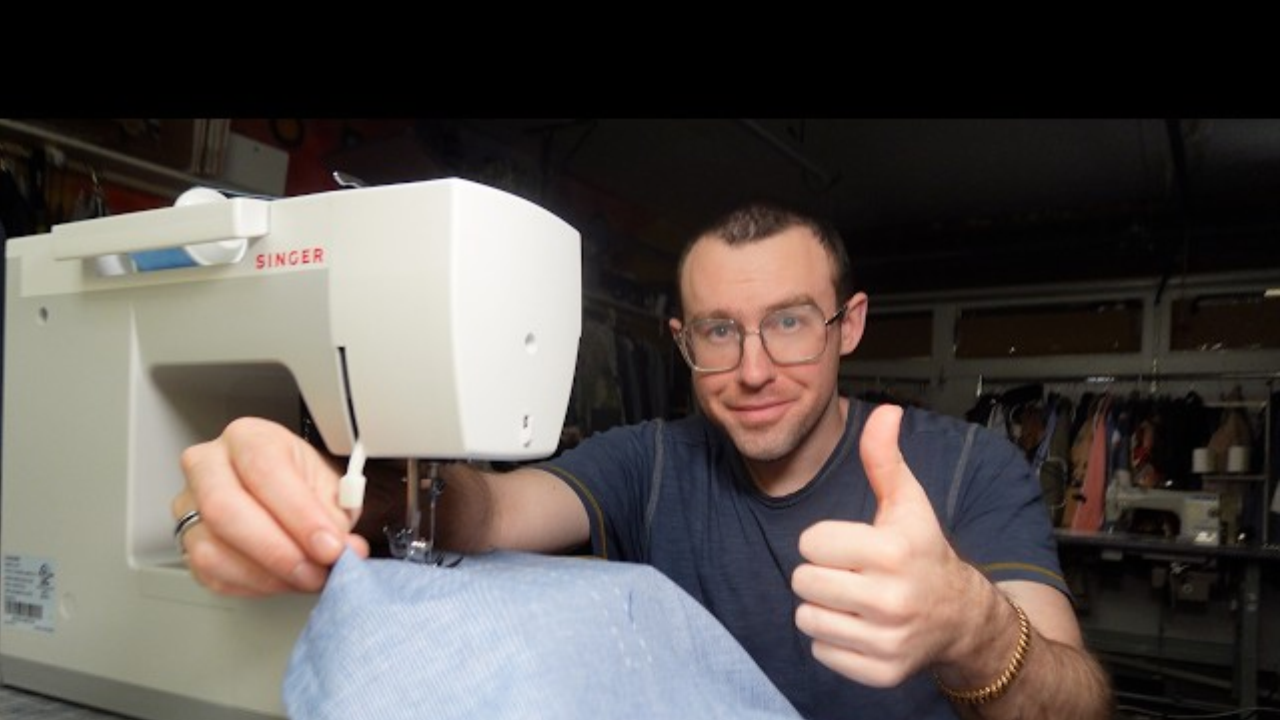
A sewing machine can make sewing much faster and is useful when creating garments, bags, curtains, cushions, and other larger projects. However, beginners should first become familiar with the machine before starting a complicated pattern.
Begin by reading the machine’s instruction manual. Learn how to insert the needle, wind and insert the bobbin, thread the machine, and adjust the stitch settings. Every sewing machine is slightly different, so following the manufacturer’s instructions is important.
Place a scrap piece of fabric under the presser foot and practice sewing straight lines. Start slowly and concentrate on controlling the fabric rather than trying to sew quickly.
Once you can sew straight lines comfortably, practice turning corners and maintaining an even seam allowance. These basic skills will make future sewing projects much easier.
How to Thread a Needle
Threading a needle can be frustrating for beginners, especially when using fine thread. Cut the end of the thread cleanly and avoid using an excessively long piece.
Pass the thread through the eye of the needle. If necessary, slightly moisten the end of the thread or use a needle threader. Pull enough thread through the needle and tie a knot at the end if you are hand sewing.
A needle with a larger eye can be easier for beginners. As your sewing skills improve, you can use different needle sizes depending on the fabric and thread.
How to Make a Basic Seam
A seam is where two pieces of fabric are joined together. Learning to make a straight seam is one of the most important sewing skills.
Place the fabric pieces together with their intended outer sides facing each other. Align the edges and secure them with pins or clips. Decide on your seam allowance and mark it if necessary.
Sew along the edge using a straight stitch. Keep the fabric aligned while guiding it through the machine or moving the needle by hand. Once the seam is complete, secure the thread so that it does not unravel.
Pressing the seam afterward can also improve the appearance of your finished project. An iron can help flatten the fabric and create cleaner edges.
How to Sew Different Types of Stitches
Once you understand the basic running or straight stitch, you can learn several other useful stitches.
Backstitch: A strong hand stitch that works well for seams and repairs because the stitches overlap.
Running stitch: A simple stitch commonly used for basic sewing and temporary stitching.
Whip stitch: Often used to join fabric edges or prevent raw edges from opening.
Blanket stitch: Frequently used around fabric edges and decorative projects.
Zigzag stitch: Commonly available on sewing machines and useful for finishing fabric edges.
You do not need to master every stitch immediately. Focus on the stitches that match the projects you want to make.
How to Sew a Button
Sewing a button is one of the easiest useful skills to learn. It can save you from replacing a shirt, coat, or other garment simply because a button has fallen off.
First, position the button where it needs to go. Thread a needle with suitable thread and make a small knot. Bring the needle through the fabric and one of the buttonholes.
Pass the needle through the buttonholes several times while keeping the button positioned correctly. Avoid pulling the thread so tightly that the fabric gathers. After securing the button, make several finishing stitches on the underside and cut the excess thread.
For thicker garments, leave a small amount of space beneath the button so the fabric can sit comfortably when the garment is fastened.
How to Choose Fabric for Beginners
Fabric selection can have a major impact on your first sewing experience. Lightweight to medium-weight cotton is generally a practical choice for beginners because it is stable and relatively easy to cut and sew.
Avoid starting with slippery satin, very stretchy knit fabric, heavy denim, or extremely delicate materials. These fabrics can require specialized needles, techniques, or machine settings.
Before purchasing fabric, consider what you want to make. A small pouch may require only a small amount of material, while a skirt, dress, or curtain will need considerably more.
Always wash fabric when appropriate before sewing a garment. Some fabrics can shrink during washing, and prewashing can help prevent unexpected changes in size after the project is completed.
Beginner Sewing Projects
The best way to learn how to sew is through practical projects. Instead of immediately attempting a complicated dress, start with something small.
Good beginner projects include:
- Fabric bookmarks
- Simple tote bags
- Small pillows
- Cloth napkins
- Basic drawstring bags
- Simple fabric pouches
- Scrunchies
- Small repairs
- Cushion covers
- Simple skirts
These projects help you practice cutting, measuring, straight stitching, seams, pressing, and finishing.
Choose projects that match your current skill level. Completing several simple projects can build confidence and help you understand how different fabrics behave.
Common Sewing Mistakes Beginners Make
Beginners often make mistakes, and this is a normal part of learning. One common mistake is failing to measure fabric accurately. Even a small measurement error can affect the final size of a project.
Another mistake is sewing too quickly. Speed can lead to uneven stitches, crooked seams, or damaged fabric. Work slowly until your movements become natural.
Using the wrong needle or thread can also create problems. Different fabrics may require different needle sizes and thread types. Check the recommendations for your sewing machine and fabric.
Finally, do not be afraid of the seam ripper. Removing an incorrect seam and sewing it again is often better than trying to hide a mistake.
Tips to Improve Your Sewing Skills
Consistent practice is the best way to improve. Spend a little time each week practicing straight lines, corners, curves, and different stitches.
Keep your sewing area organized. Store needles, thread, scissors, pins, and other tools in a dedicated place so they are easy to find.
Always measure twice before cutting. Fabric that has already been cut cannot easily be made larger again.
It is also useful to practice on fabric scraps before starting a finished project. Test the stitch length, thread tension, and needle choice before sewing the actual material.
Most importantly, be patient. Sewing is a skill that improves through repetition. Your first project may not look perfect, but each project provides an opportunity to learn.
Sewing Safety Tips
Sewing requires sharp tools and, when using a machine, moving mechanical parts. Keep scissors, needles, and pins in a safe location when they are not being used.
When sewing with a machine, keep your fingers away from the needle and avoid forcing fabric through the machine. Turn the machine off before changing the needle or performing maintenance.
Good lighting is also important because it helps you see stitches, fabric edges, and small needles more clearly.
If you are teaching a child how to sew, choose age-appropriate tools and supervise them when using needles, scissors, or a sewing machine.
How Long Does It Take to Learn Sewing?
There is no fixed amount of time required to learn sewing. A beginner can understand basic stitches and simple repairs after a small amount of practice, while becoming highly skilled can take considerably longer.
Your progress depends on how often you practice and what types of projects you attempt. Someone practicing simple repairs may develop useful skills quickly, while someone interested in tailoring or dressmaking will need to learn additional techniques.
The key is to progress gradually. Master basic stitches first, then move to seams, patterns, simple garments, and eventually more advanced construction techniques.
Frequently Asked Questions
Is sewing difficult for beginners?
Sewing can be learned by beginners with practice. Basic hand stitches and simple machine sewing are relatively straightforward when taught step by step.
Can I learn how to sew without a sewing machine?
Yes. Many useful sewing skills can be learned entirely by hand. Hand sewing is especially suitable for repairs, buttons, small decorations, and simple projects.
What is the easiest fabric to sew?
Cotton is commonly recommended for beginners because it is relatively stable and easy to cut, measure, and sew.
What should I sew first?
Simple projects such as a small pouch, bookmark, tote bag, napkin, or cushion cover are good starting points because they involve basic sewing techniques.
How do I get better at sewing?
Practice regularly, begin with simple projects, learn from mistakes, and gradually introduce more difficult fabrics and patterns. Testing stitches on scraps before starting a project can also improve results.
Final Thoughts
Learning how to sew can be both practical and enjoyable. Whether your goal is to repair clothing, create handmade items, or eventually design your own garments, the fundamentals remain the same: measure carefully, choose suitable materials, practice basic stitches, and work patiently.
Start with a simple project rather than trying to master everything at once. With regular practice, you can develop better control, improve your stitching accuracy, and gradually take on more challenging sewing projects. The most important step is simply to pick up the needle—or switch on the machine—and start practicing.